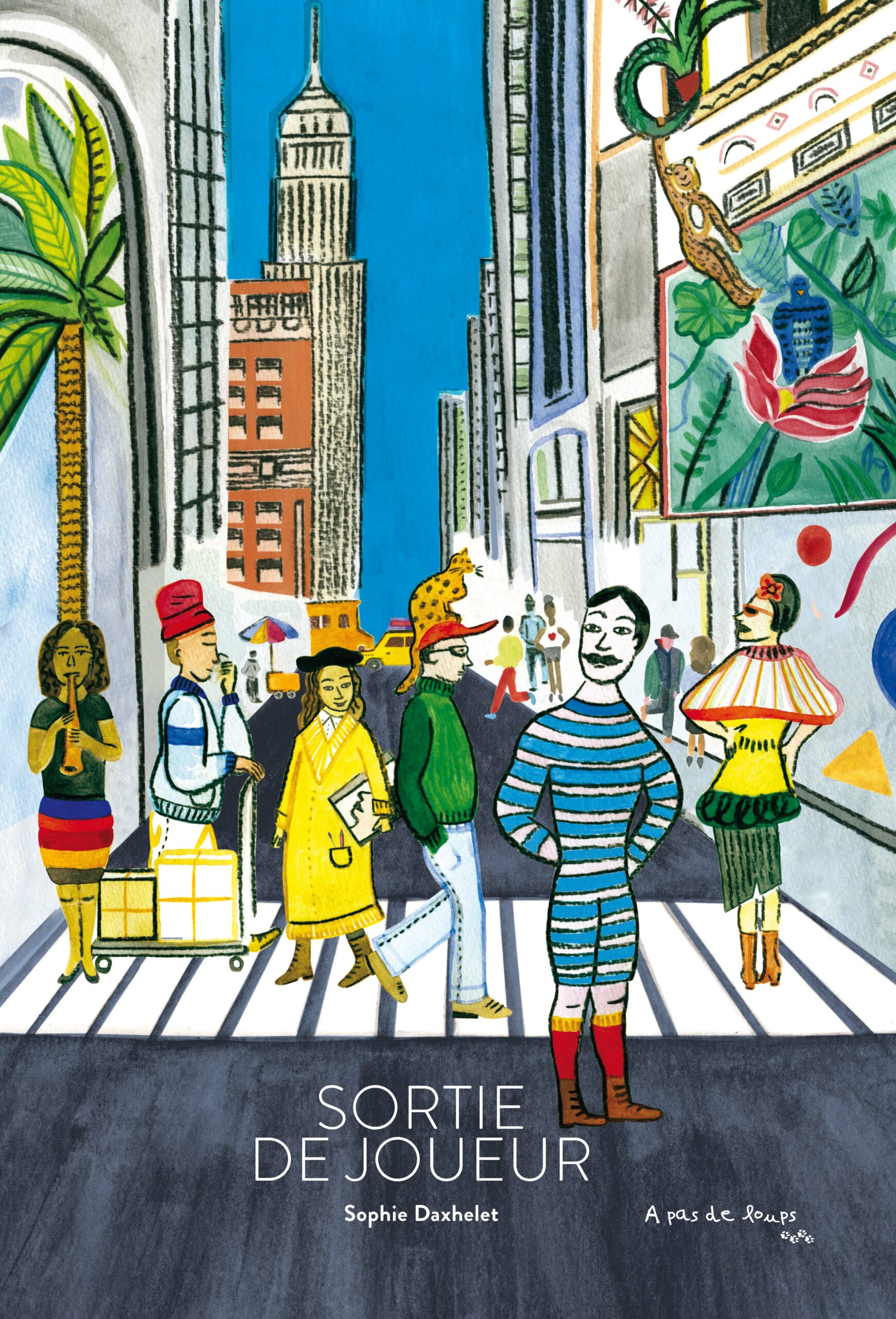
Sortie de joueur (Player’s escape)
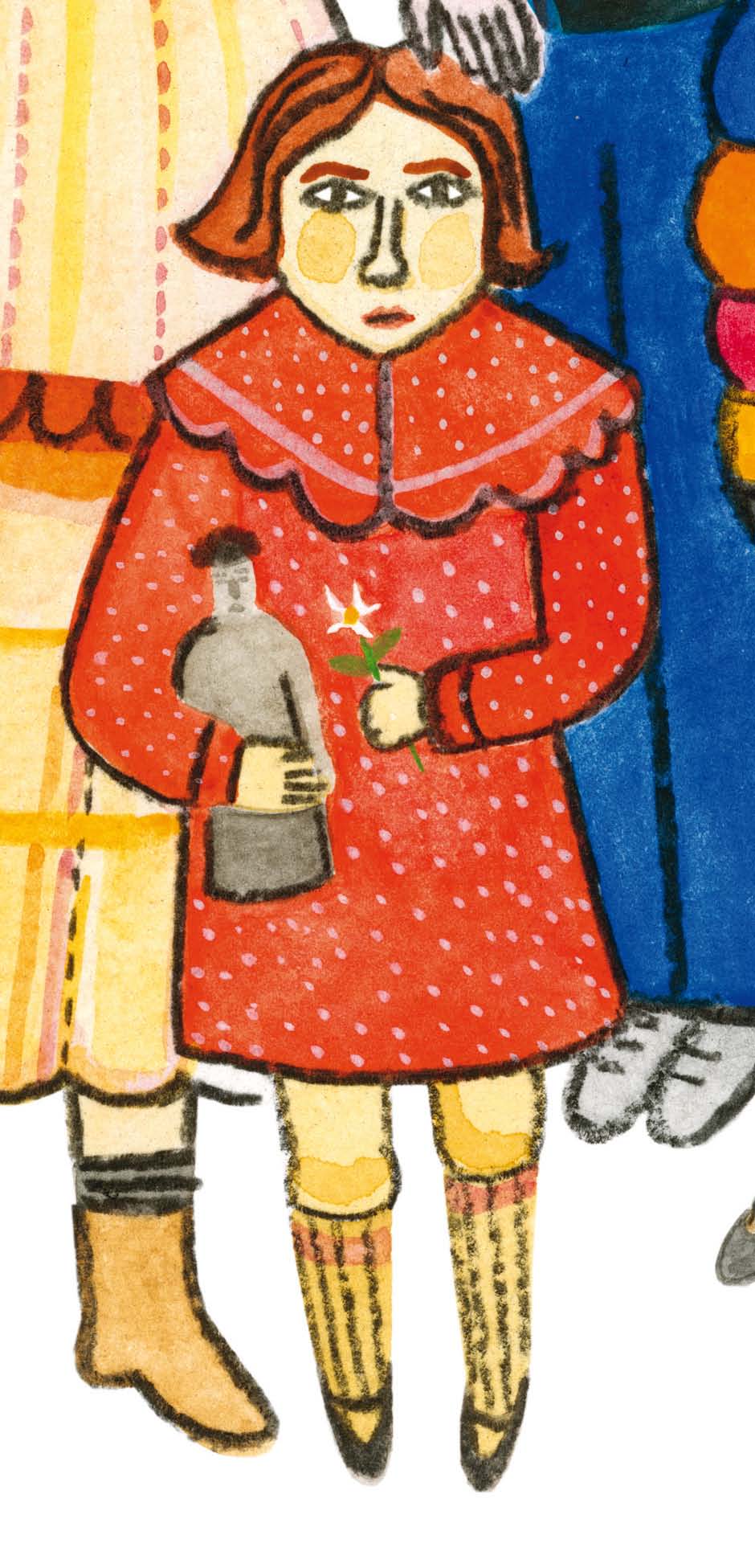
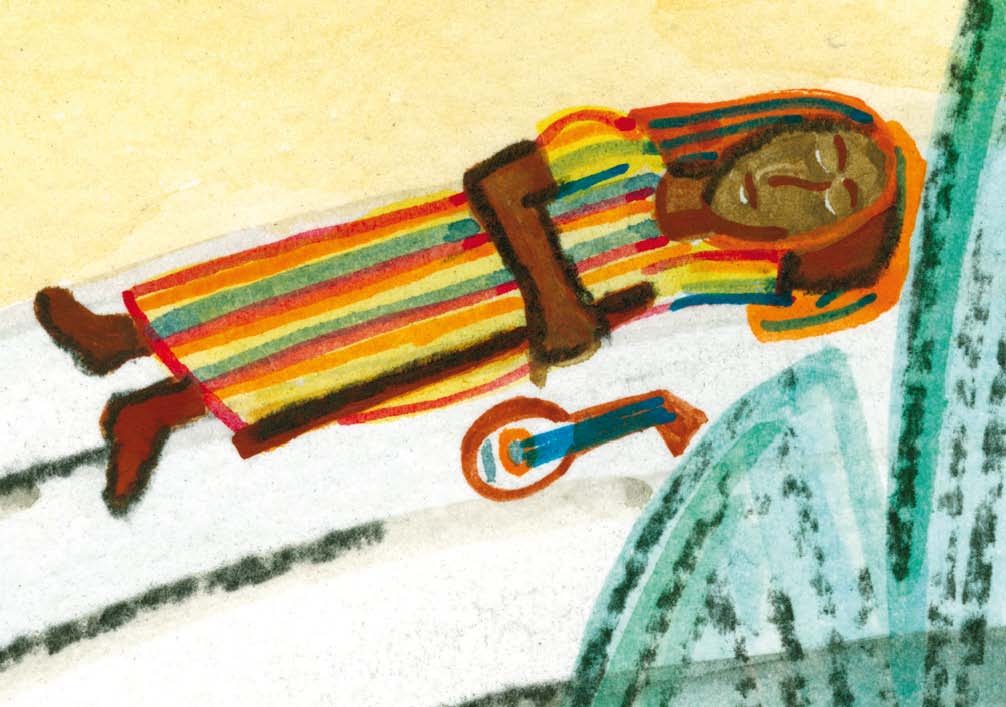
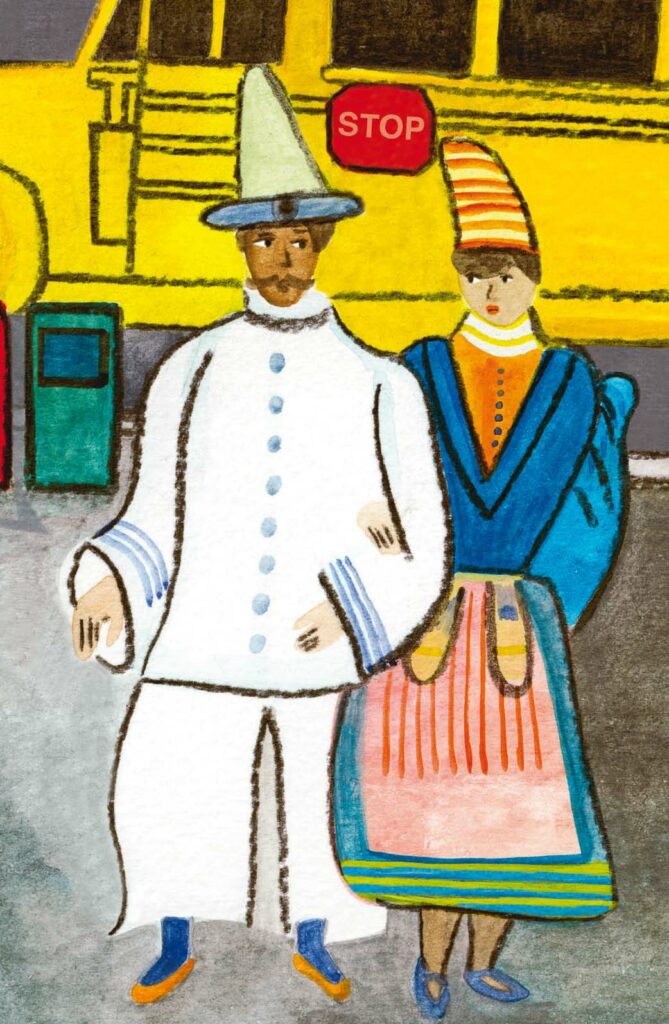
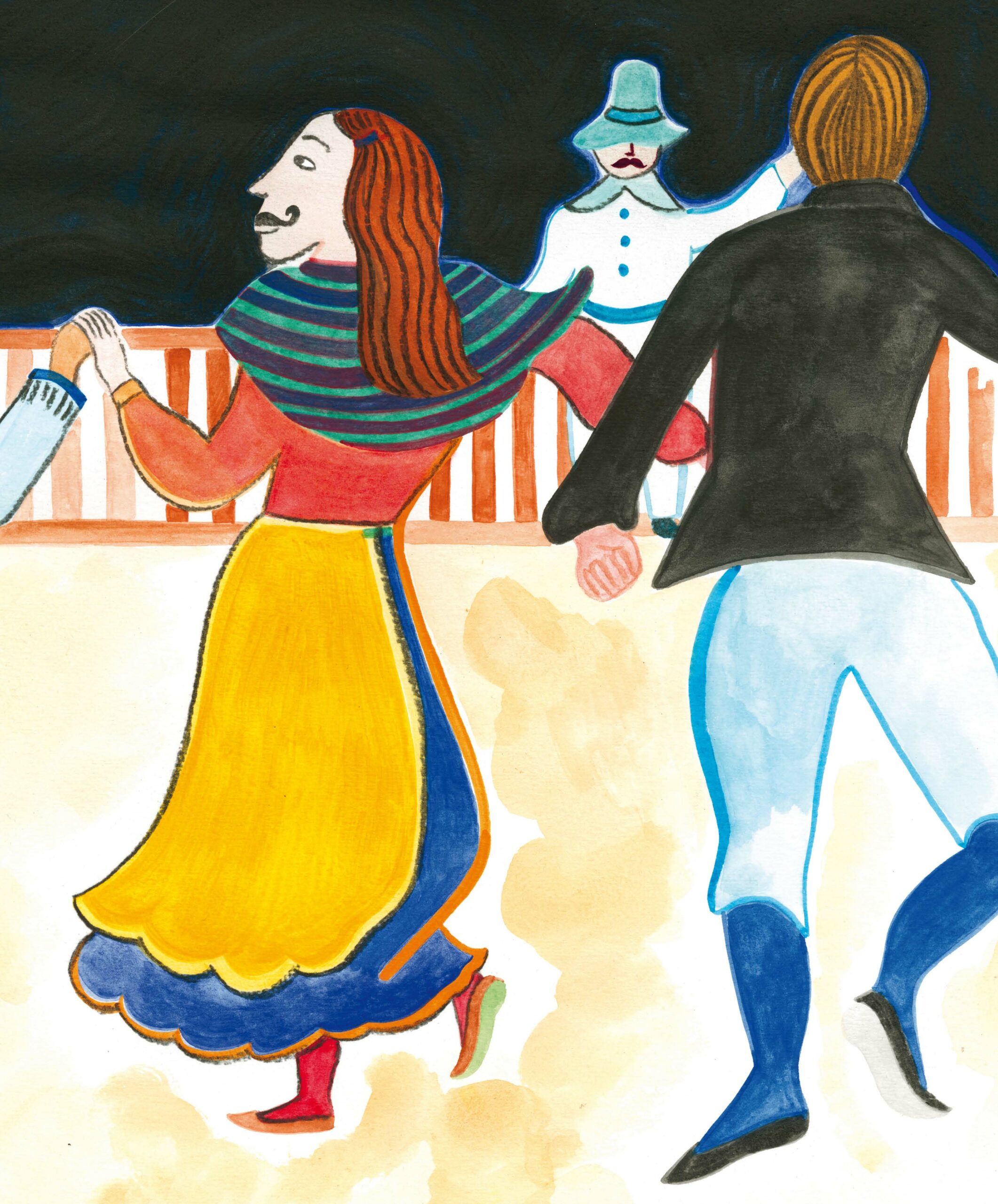
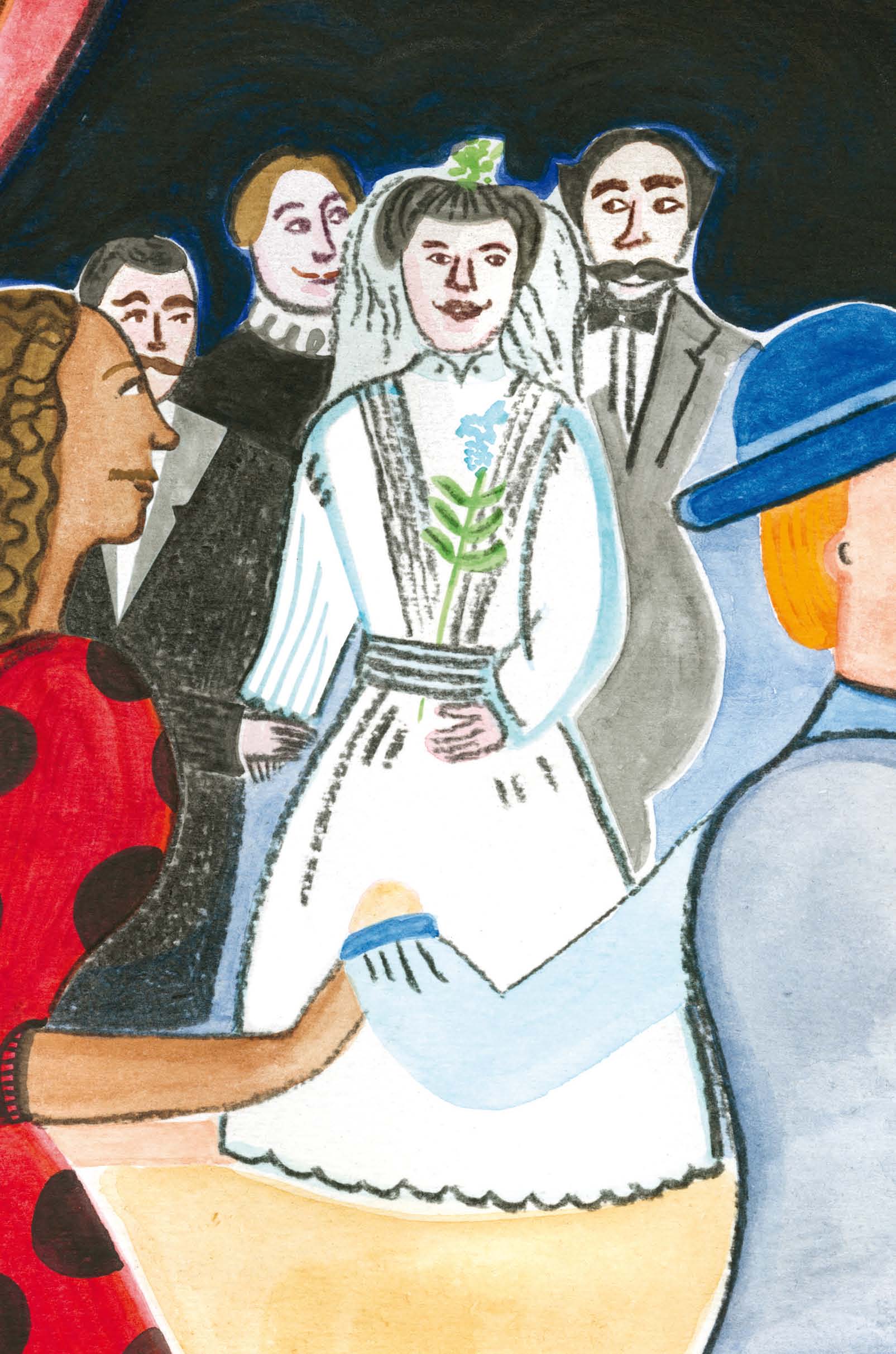
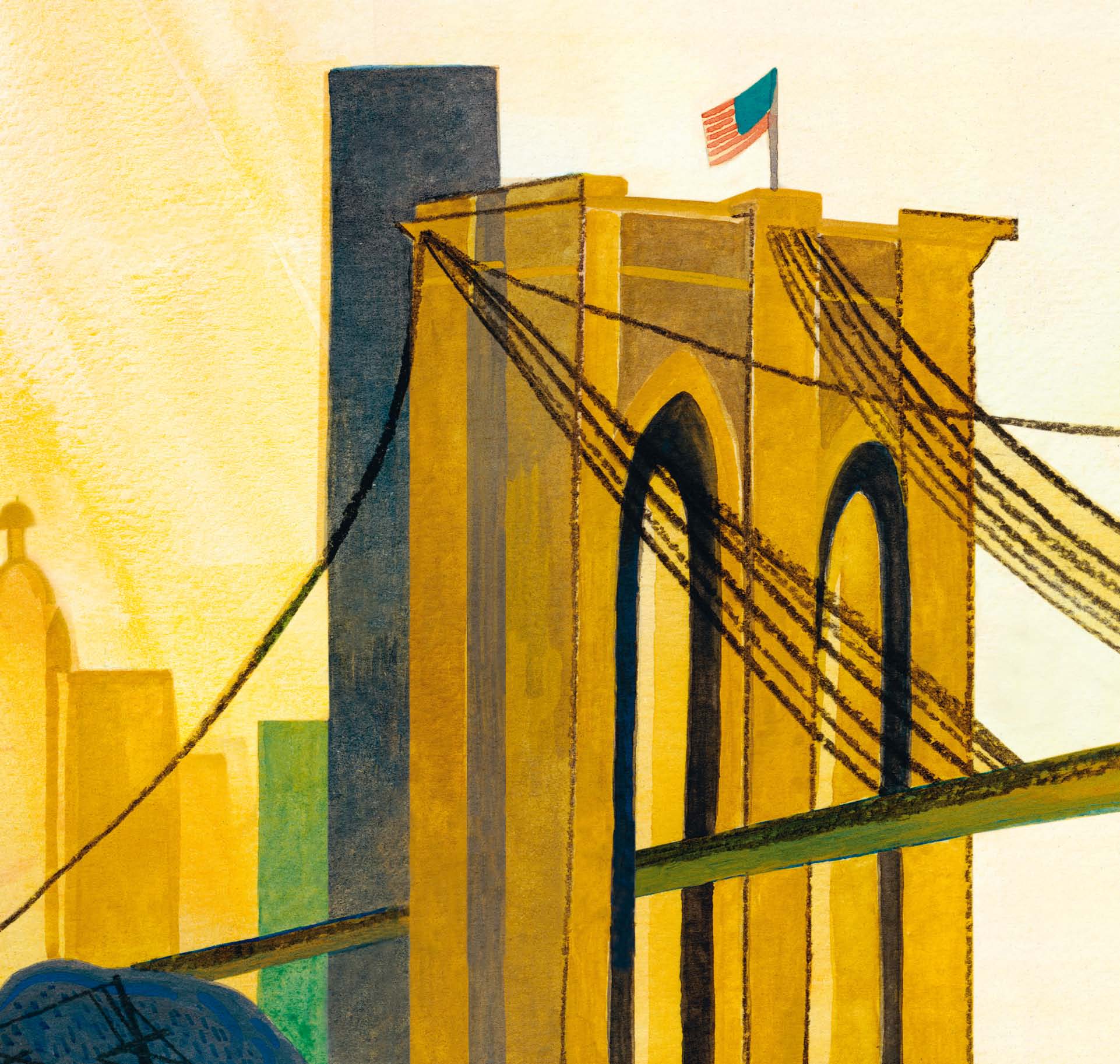
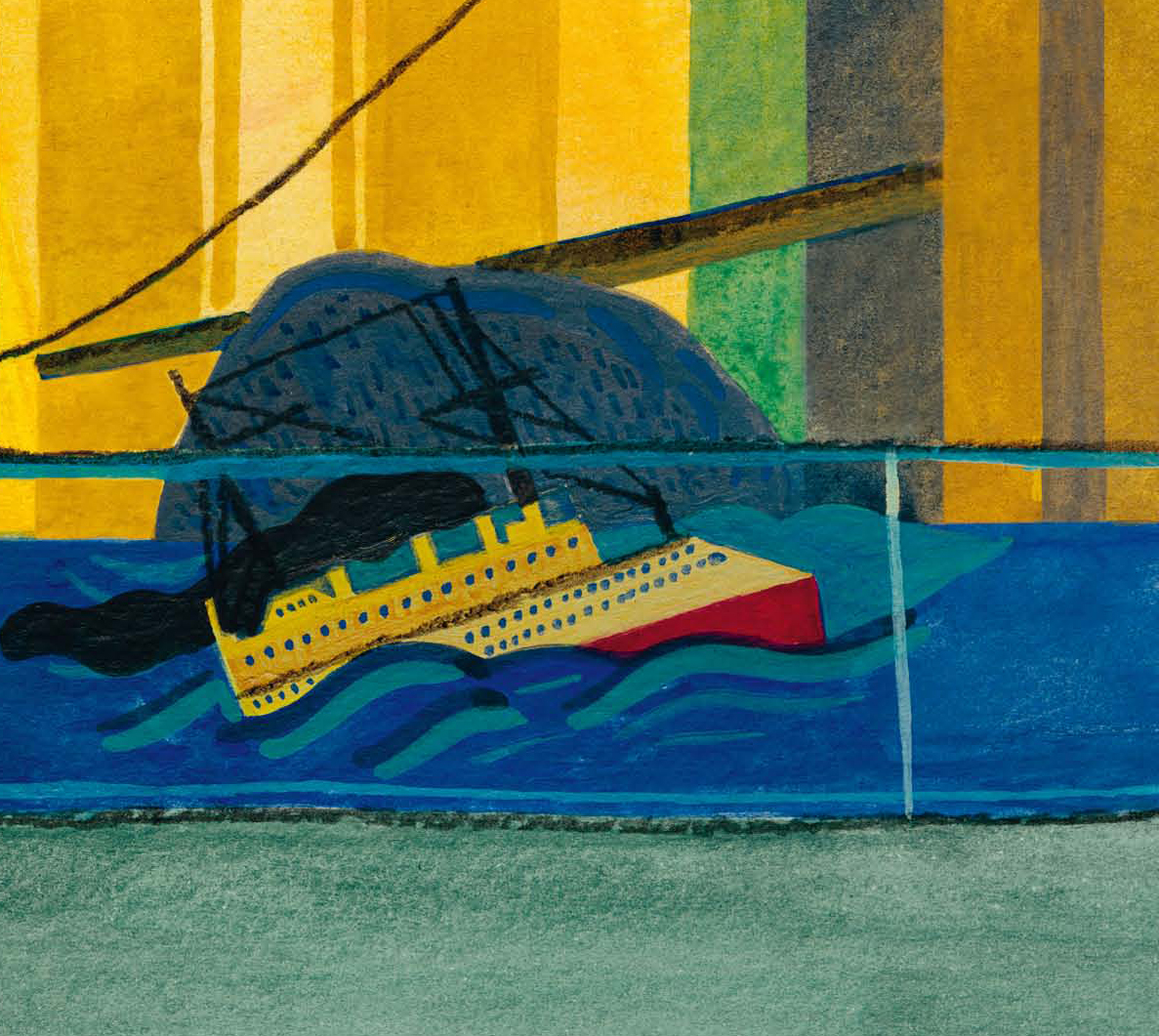
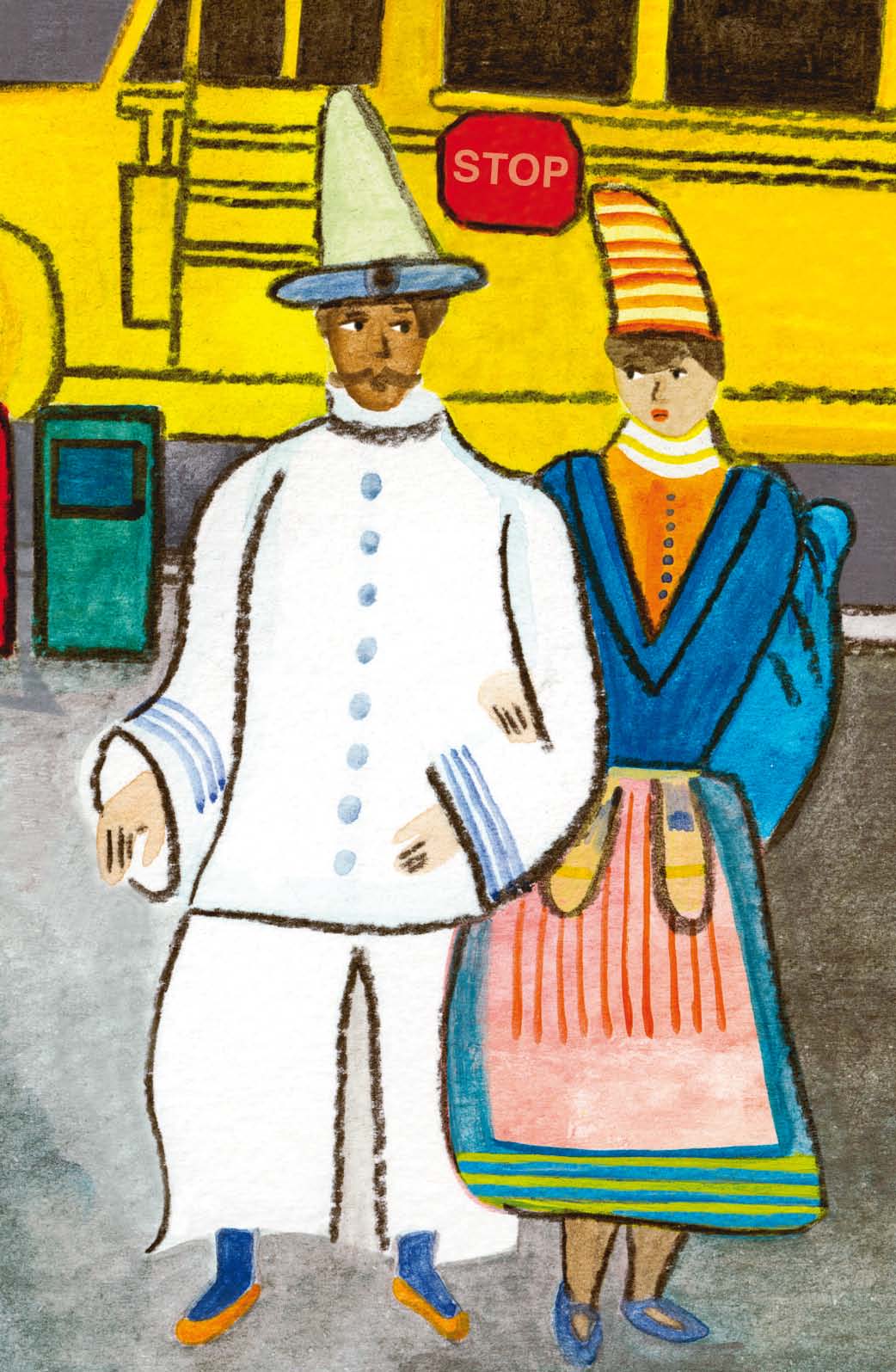
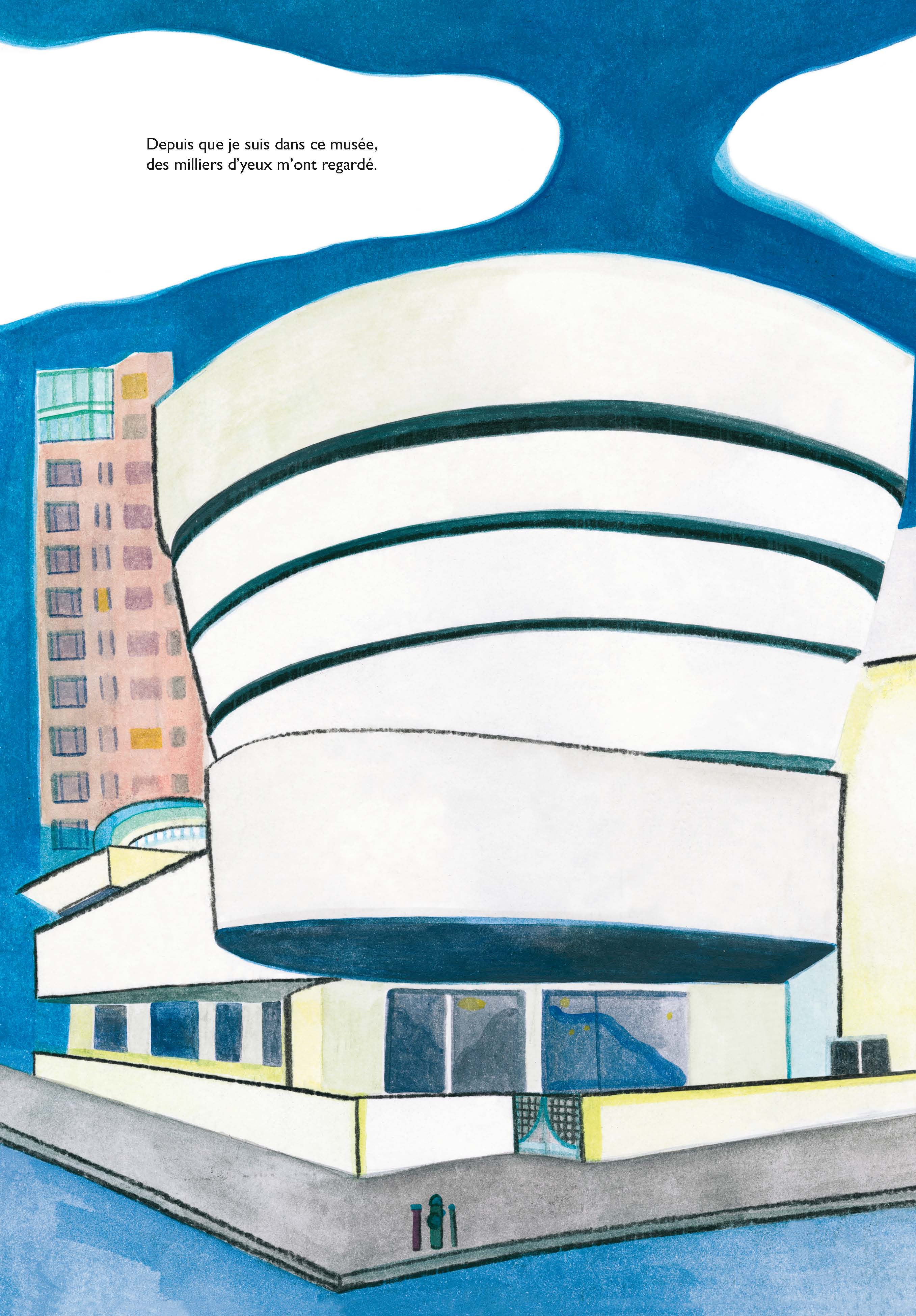
What happens when a rugby player escapes from a painting by Henri Rousseau. It all starts at the New York Guggenheim Museum…
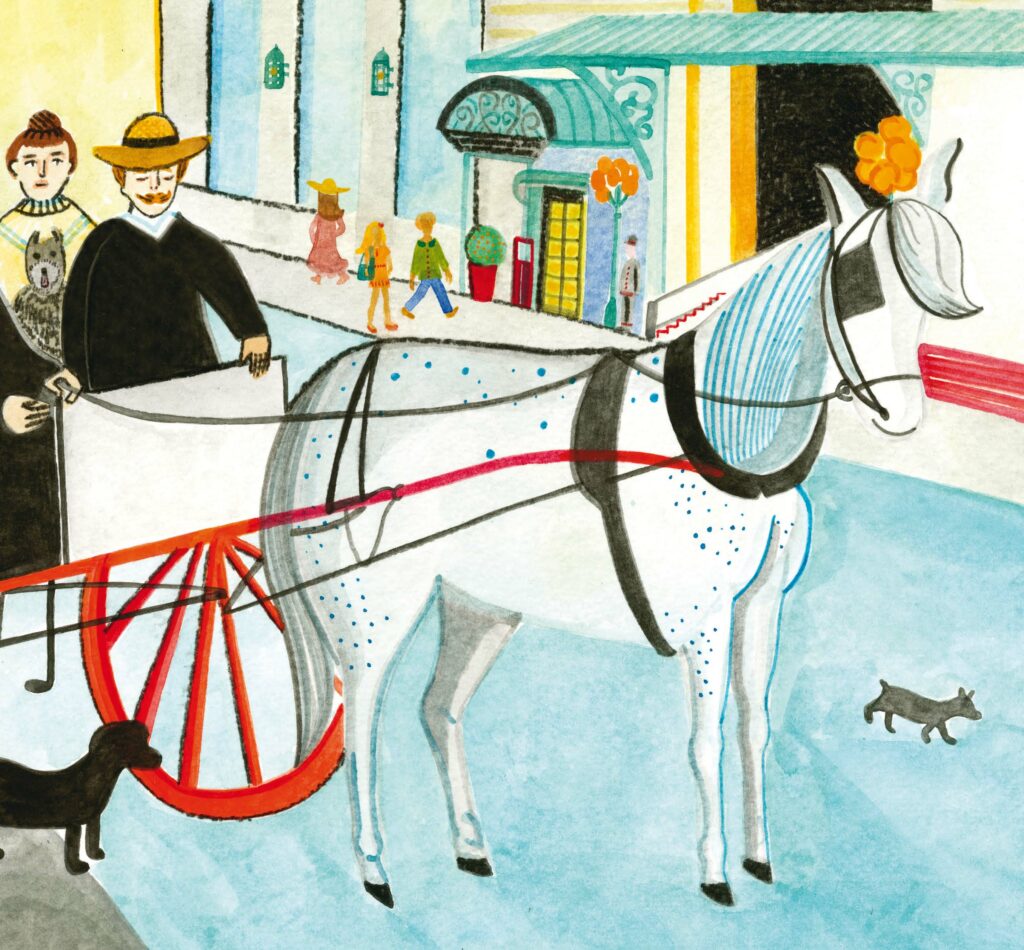
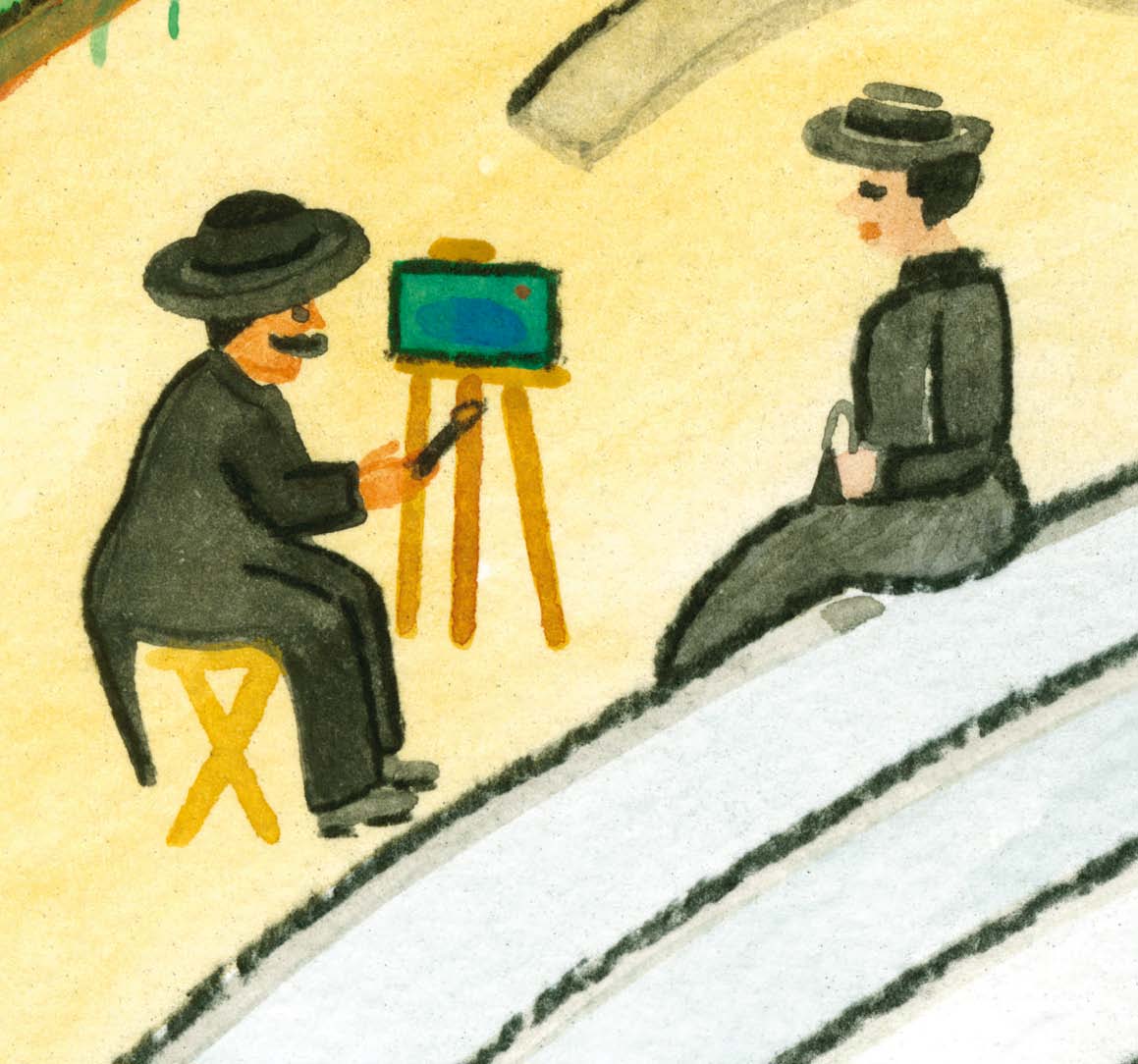
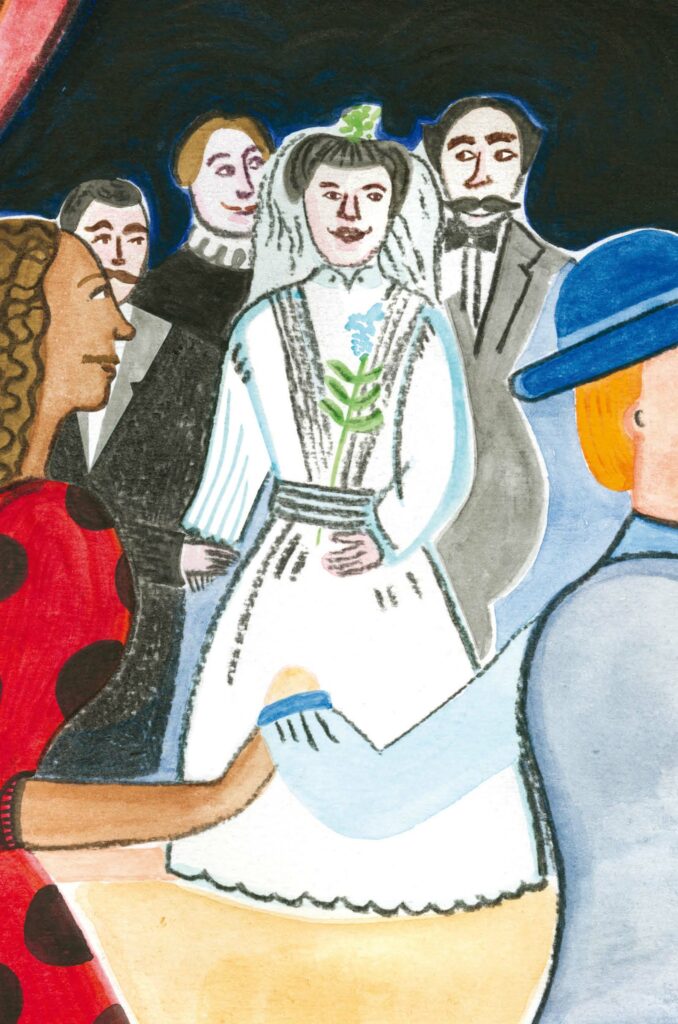
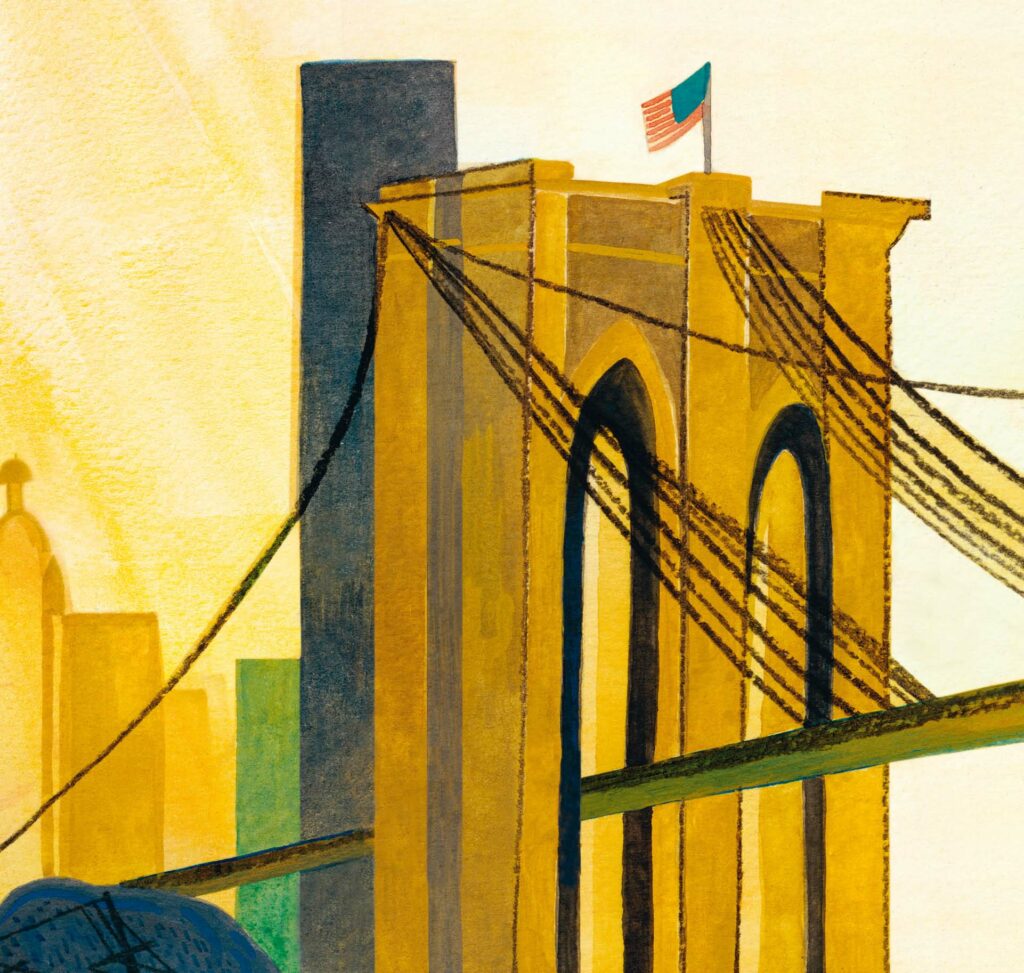
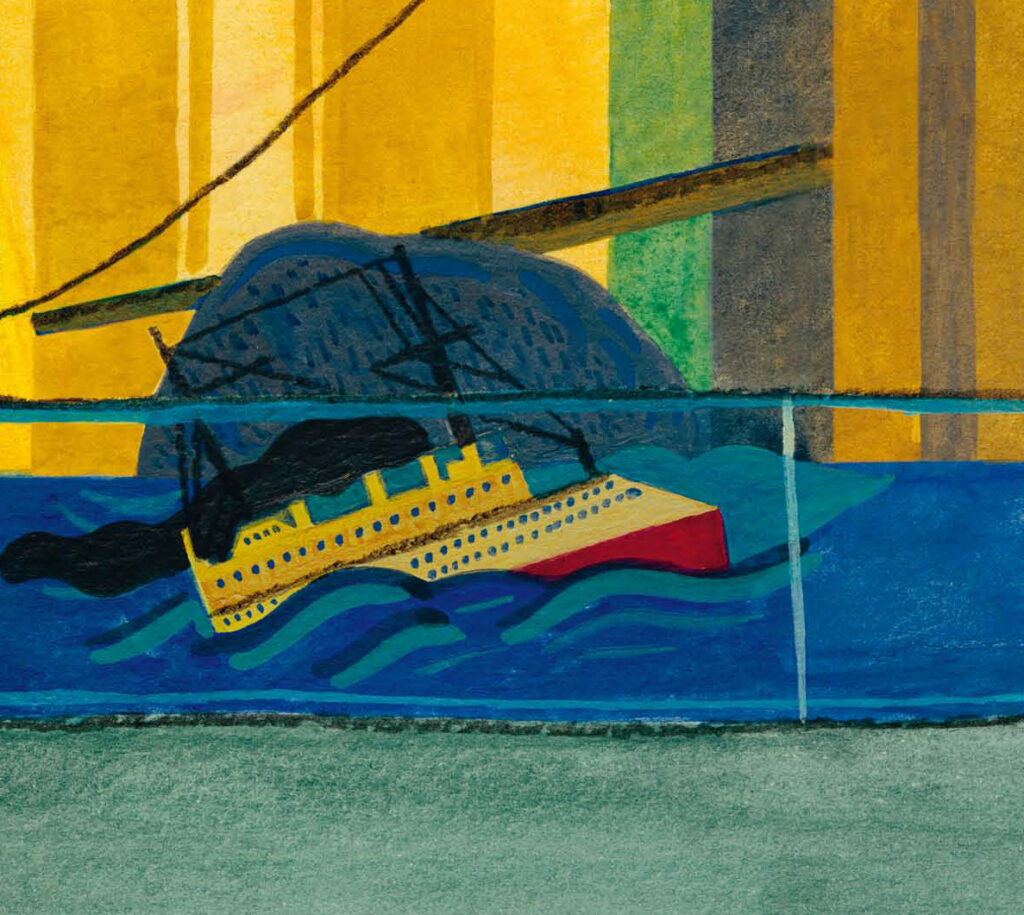
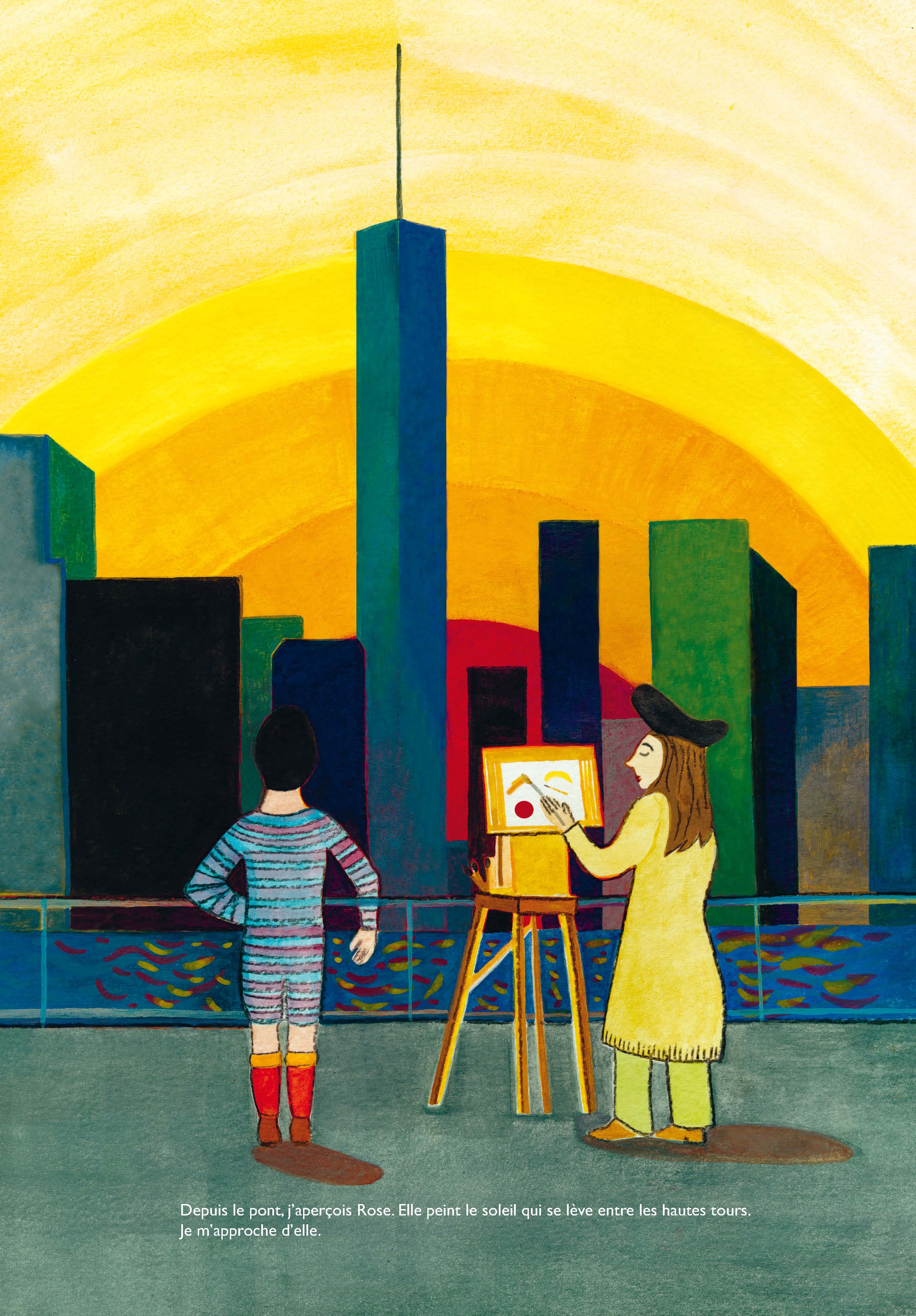
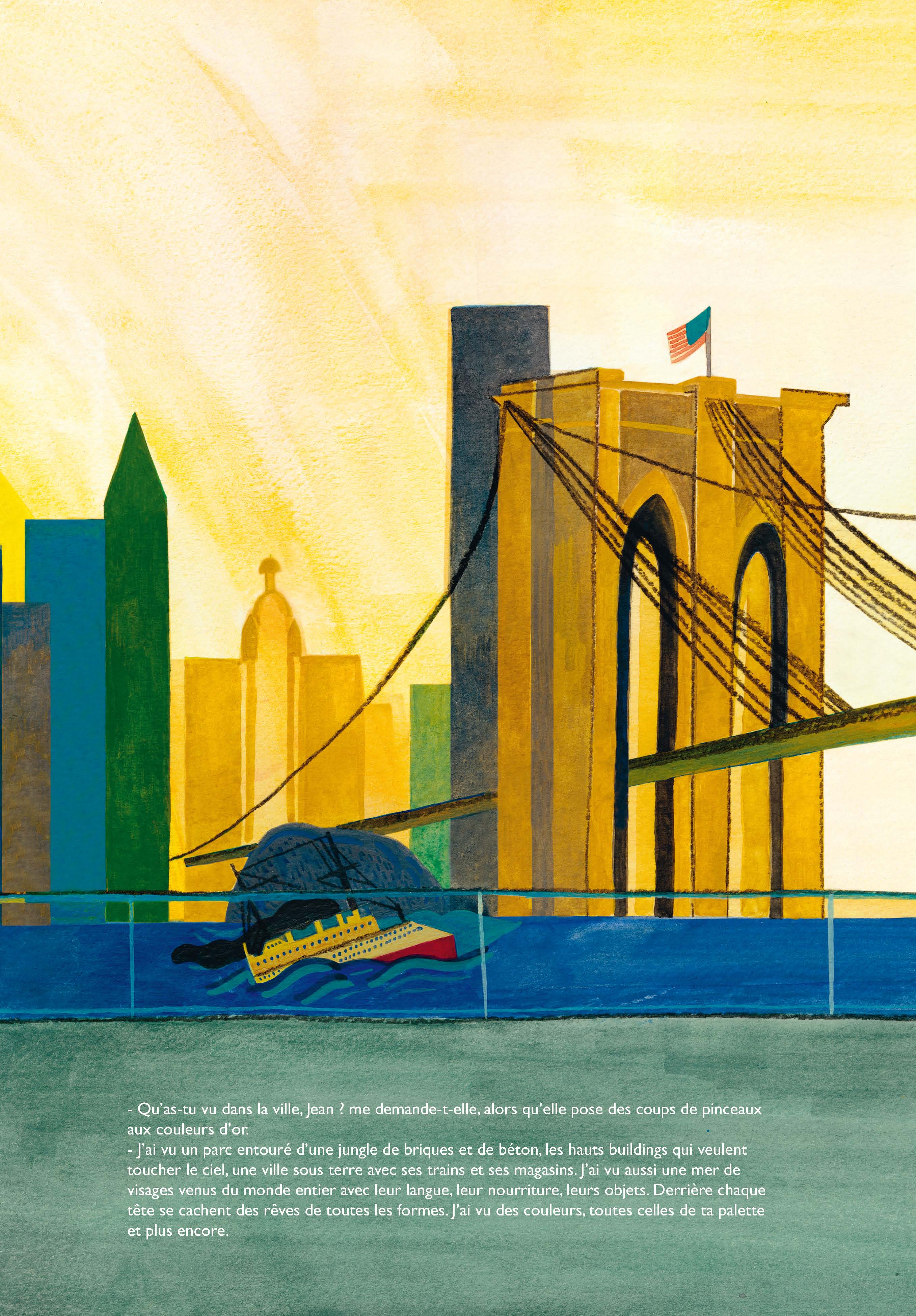
Jean sets off to explore the city. Amid buildings and masters paintings, from Chinatown to the Museum of Modern Art (MoMA),
he meets an impressive range of characters and landscapes. A great tribute to the world of Henri Rousseau and to New-York.
The book is supported by the Wallonia-Brussels Federation.
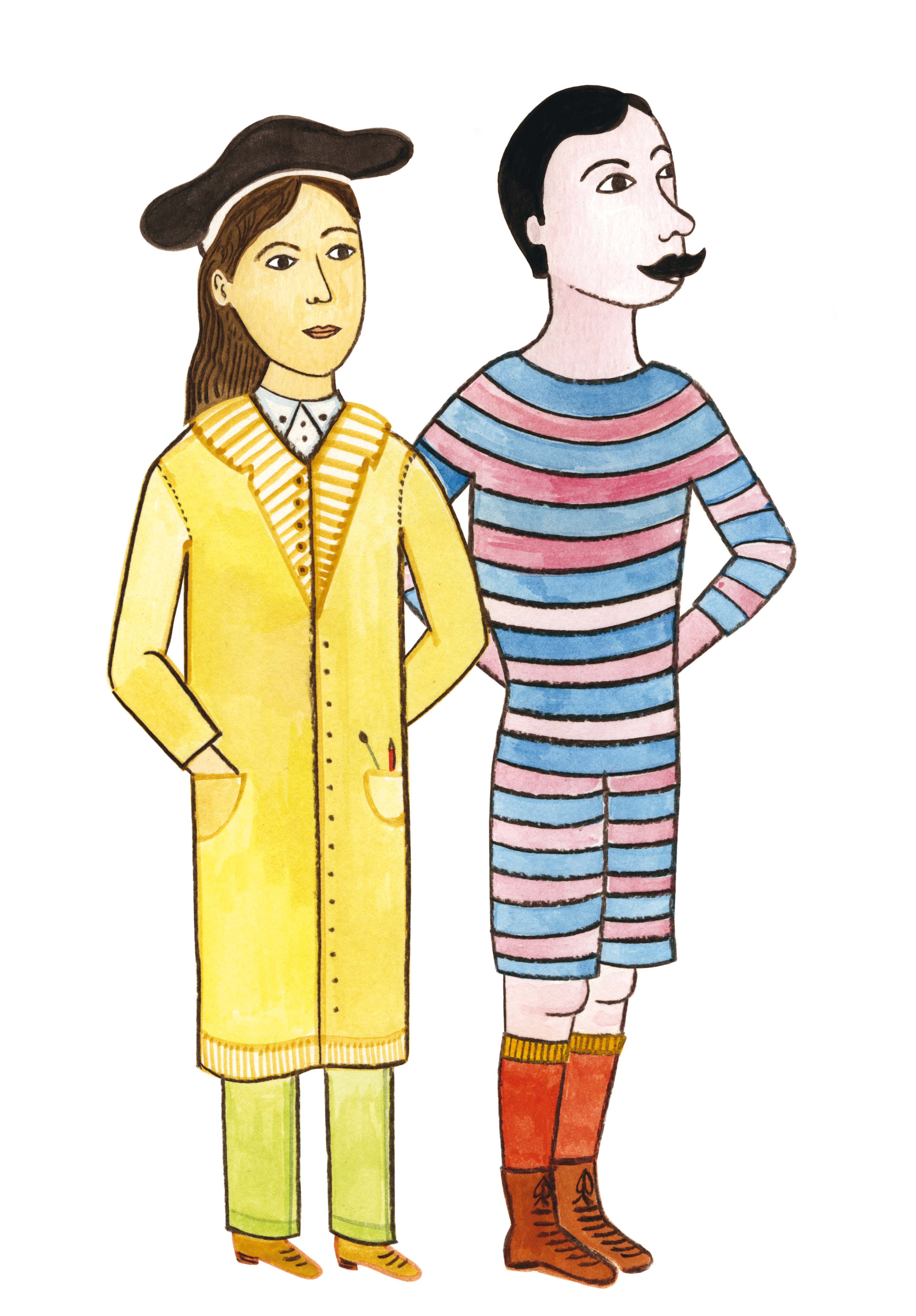
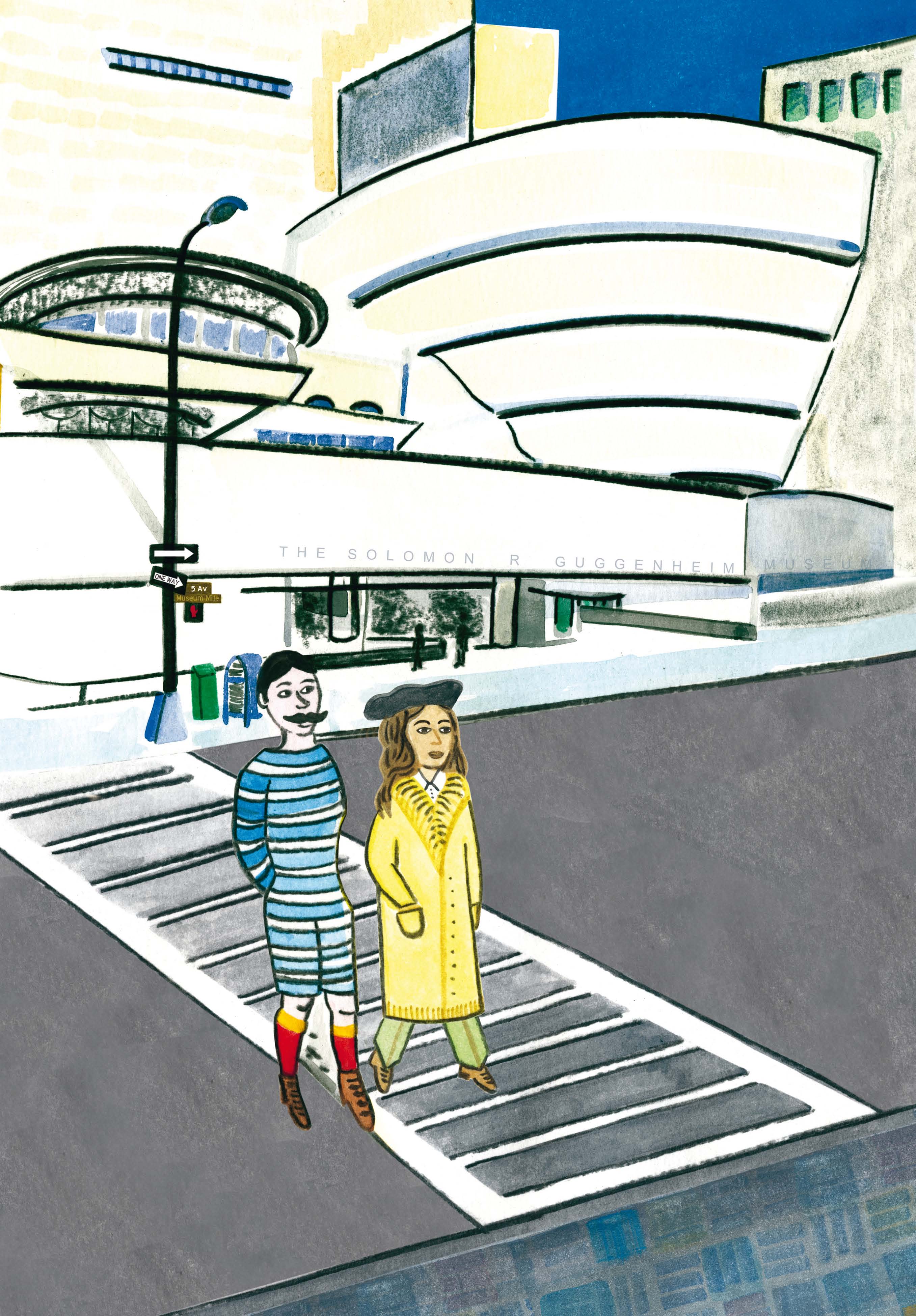
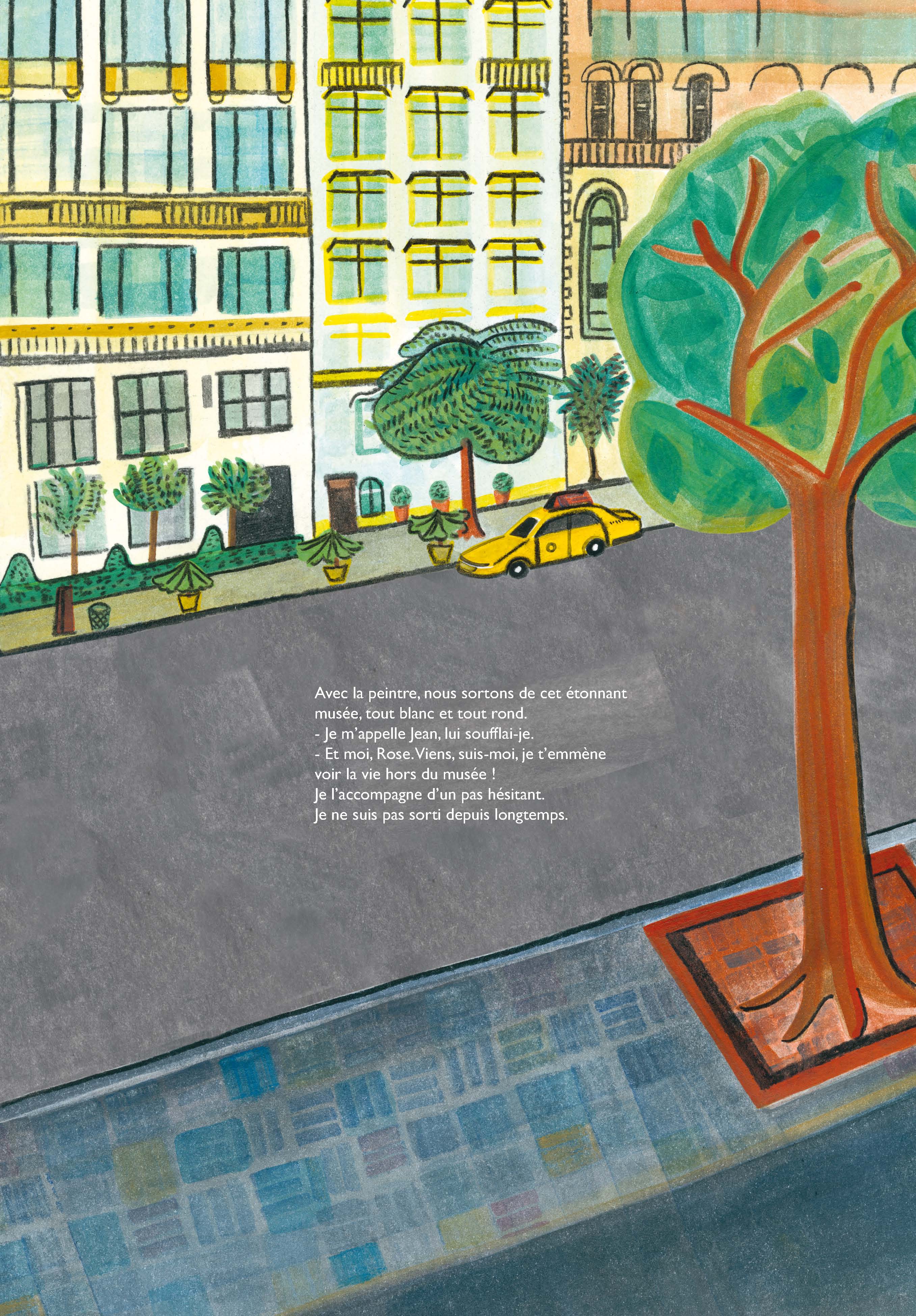
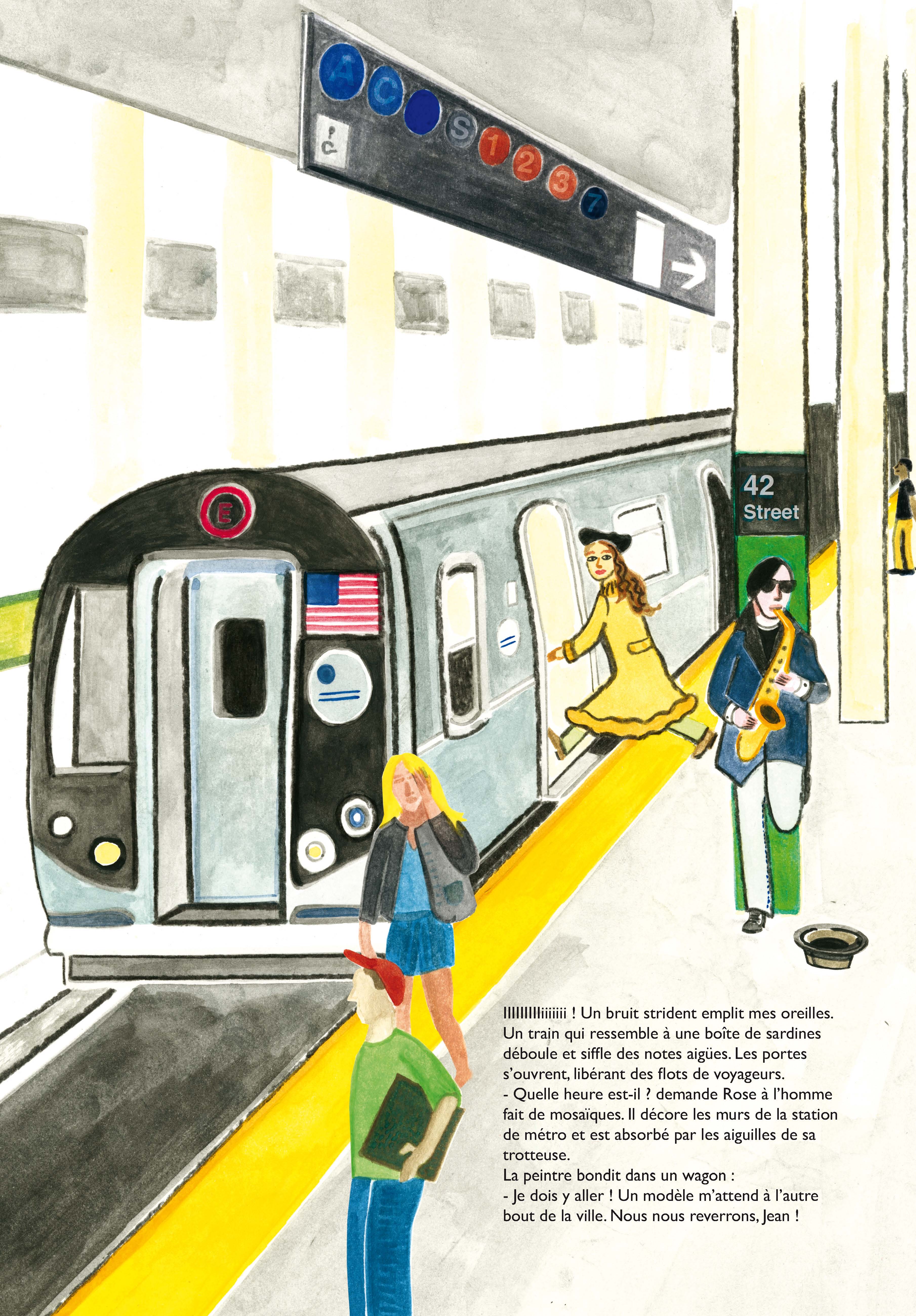
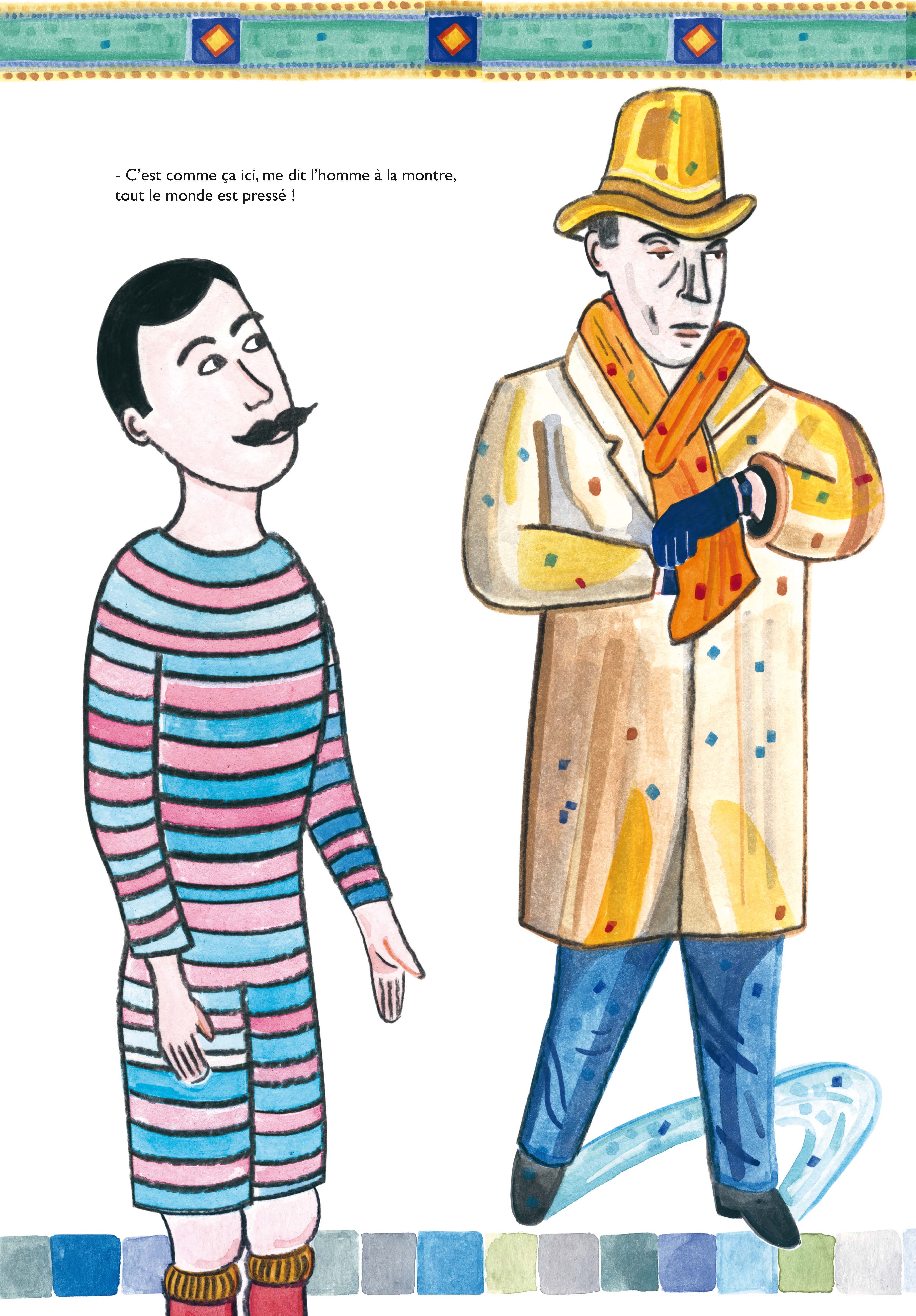
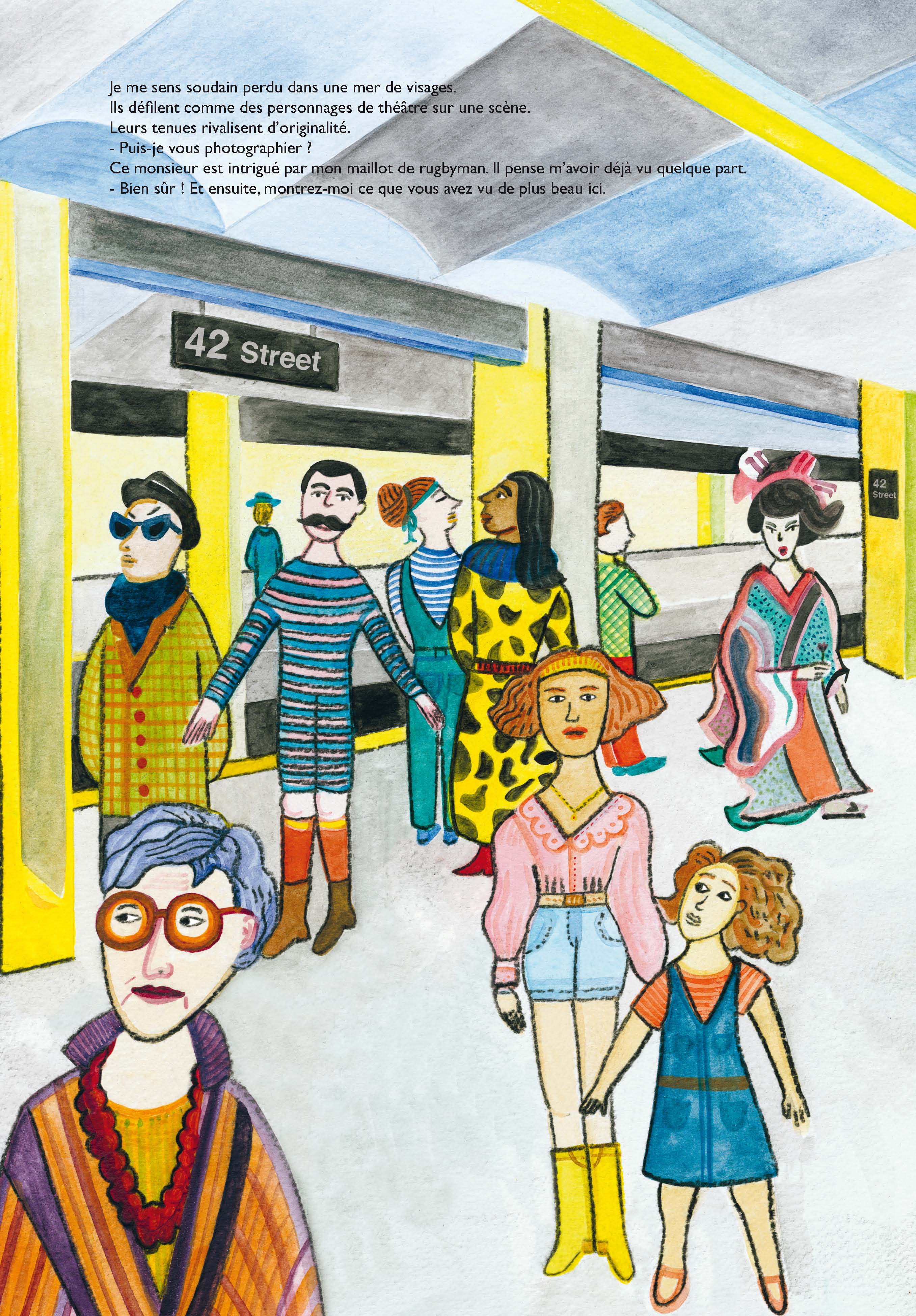
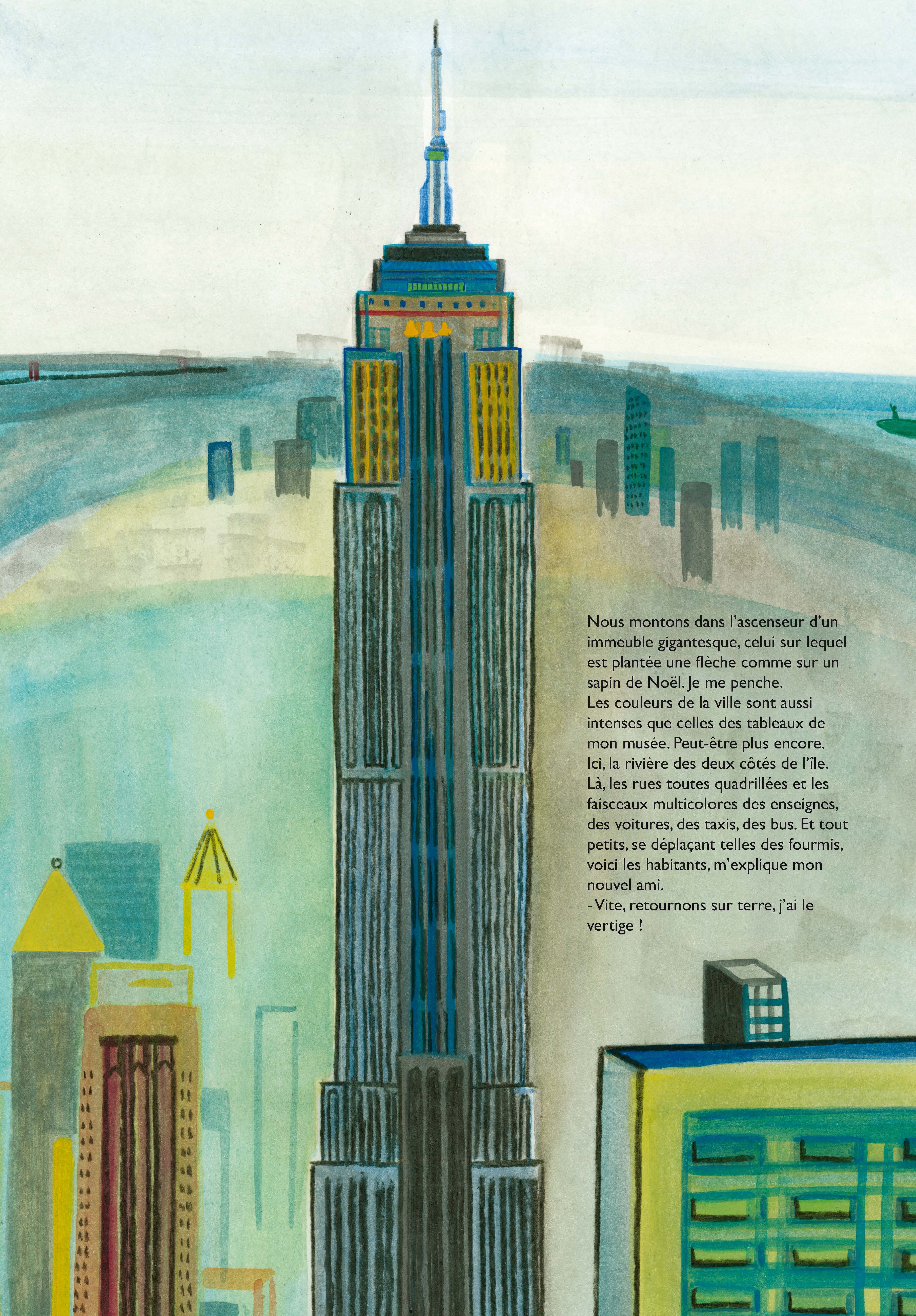
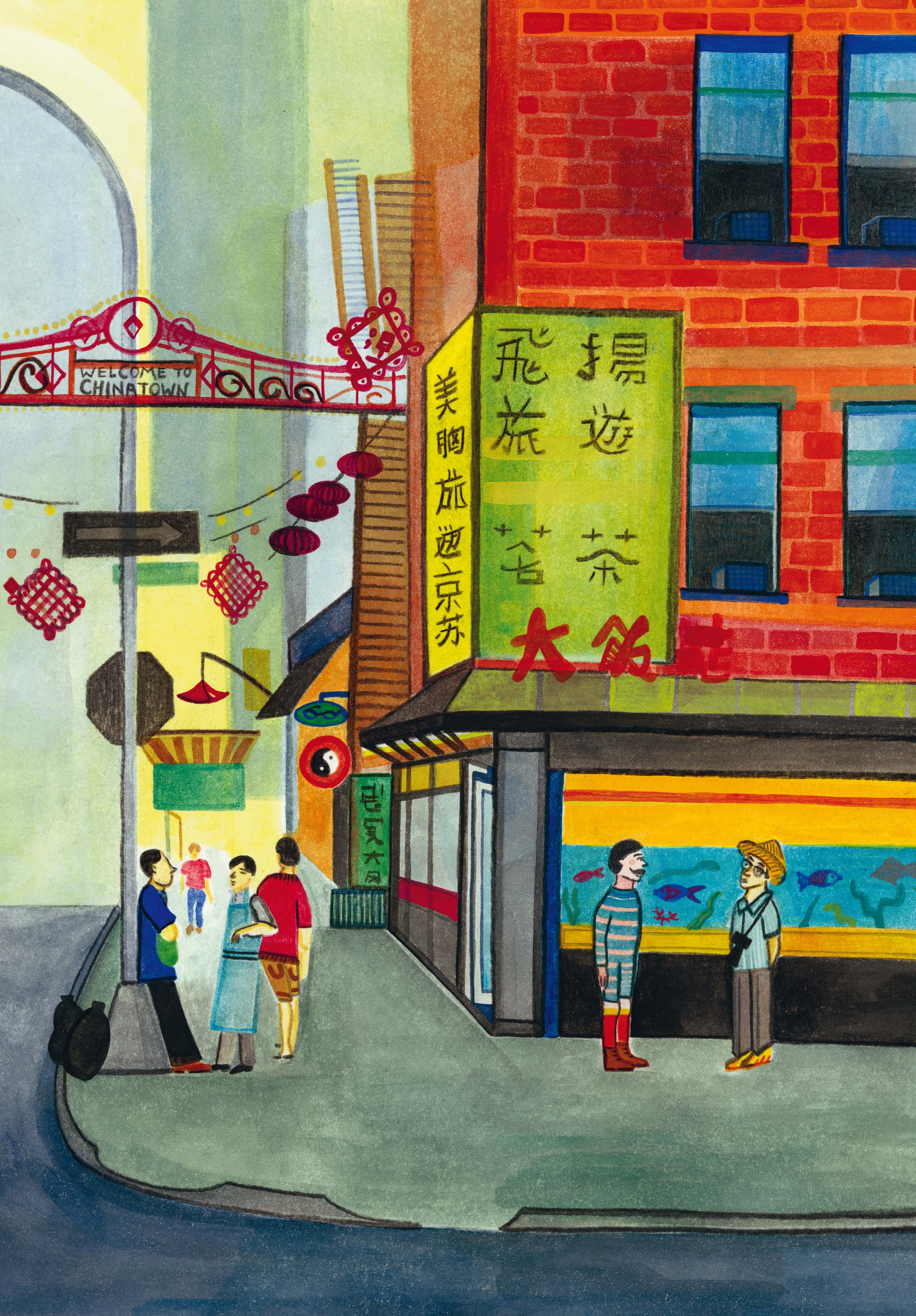
Hide and seek with the works of Henri Rousseau…
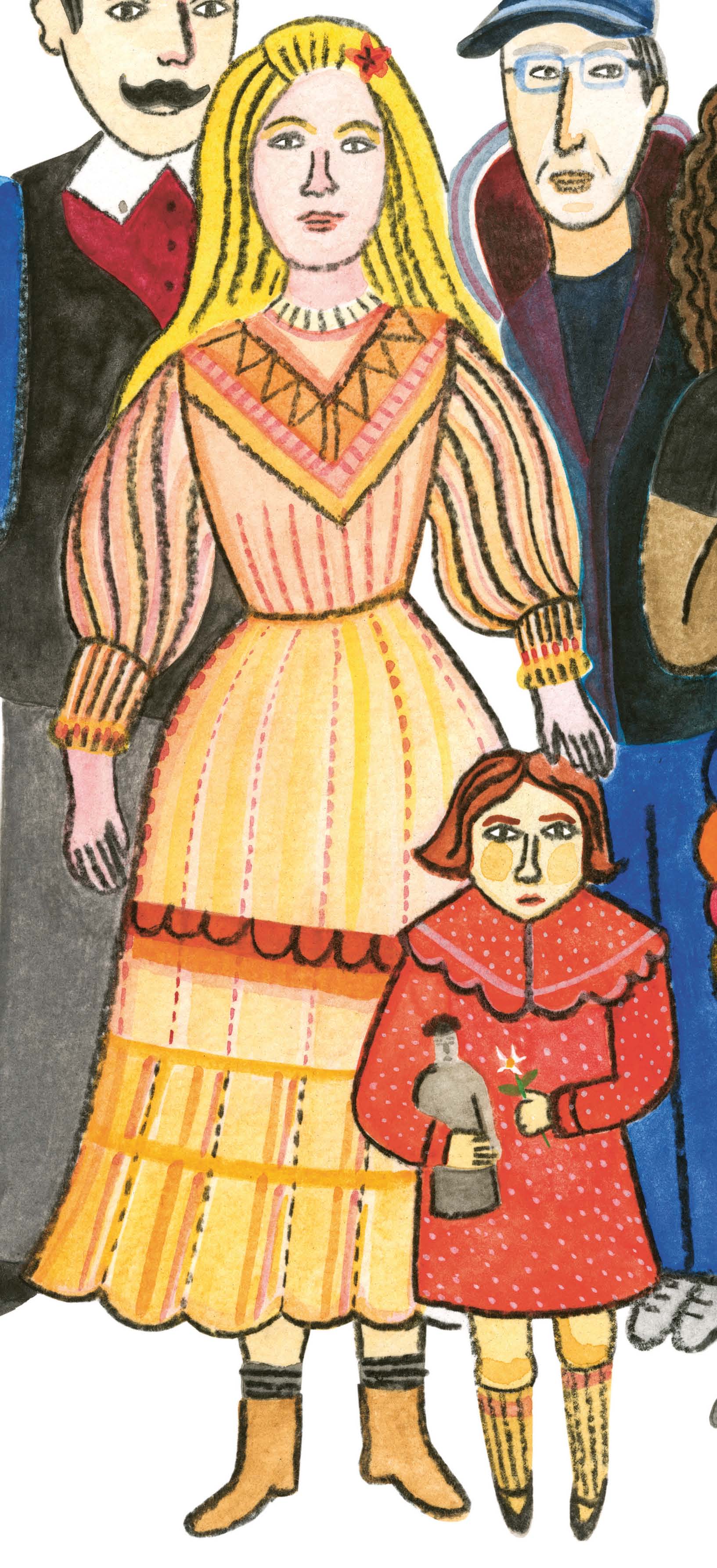
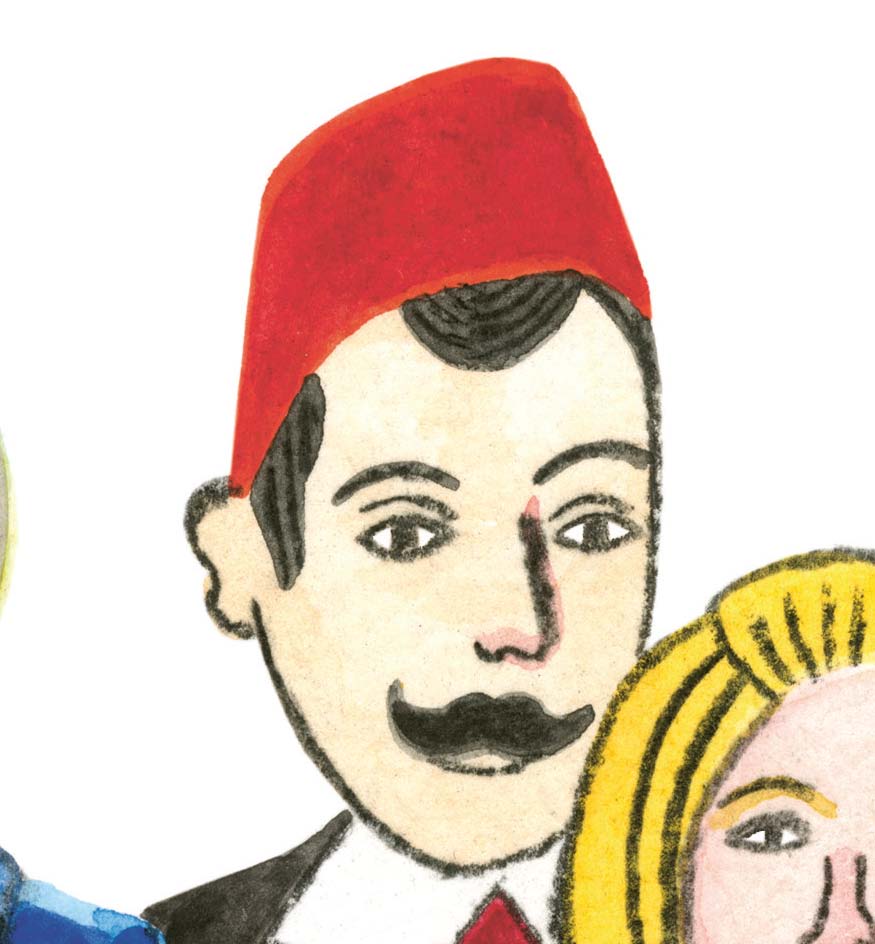
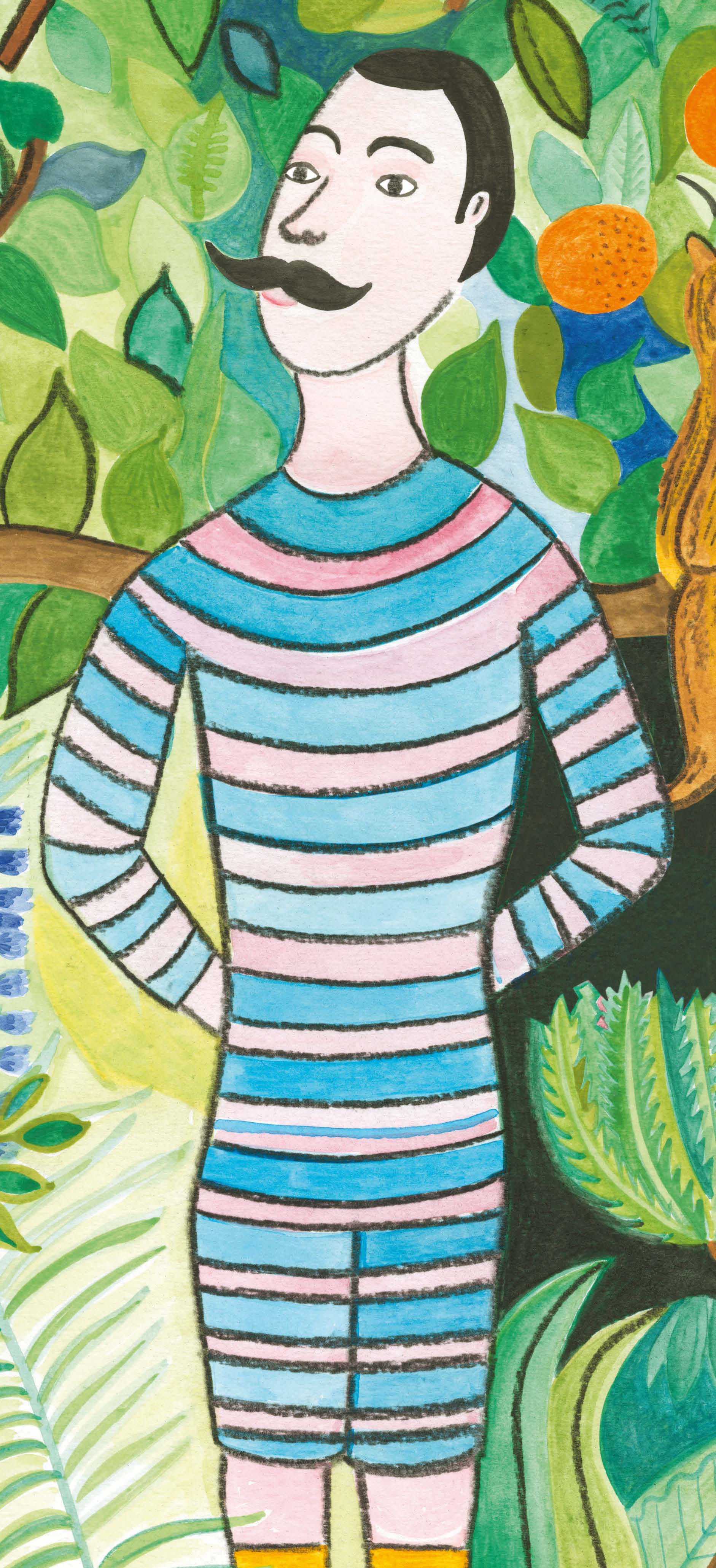
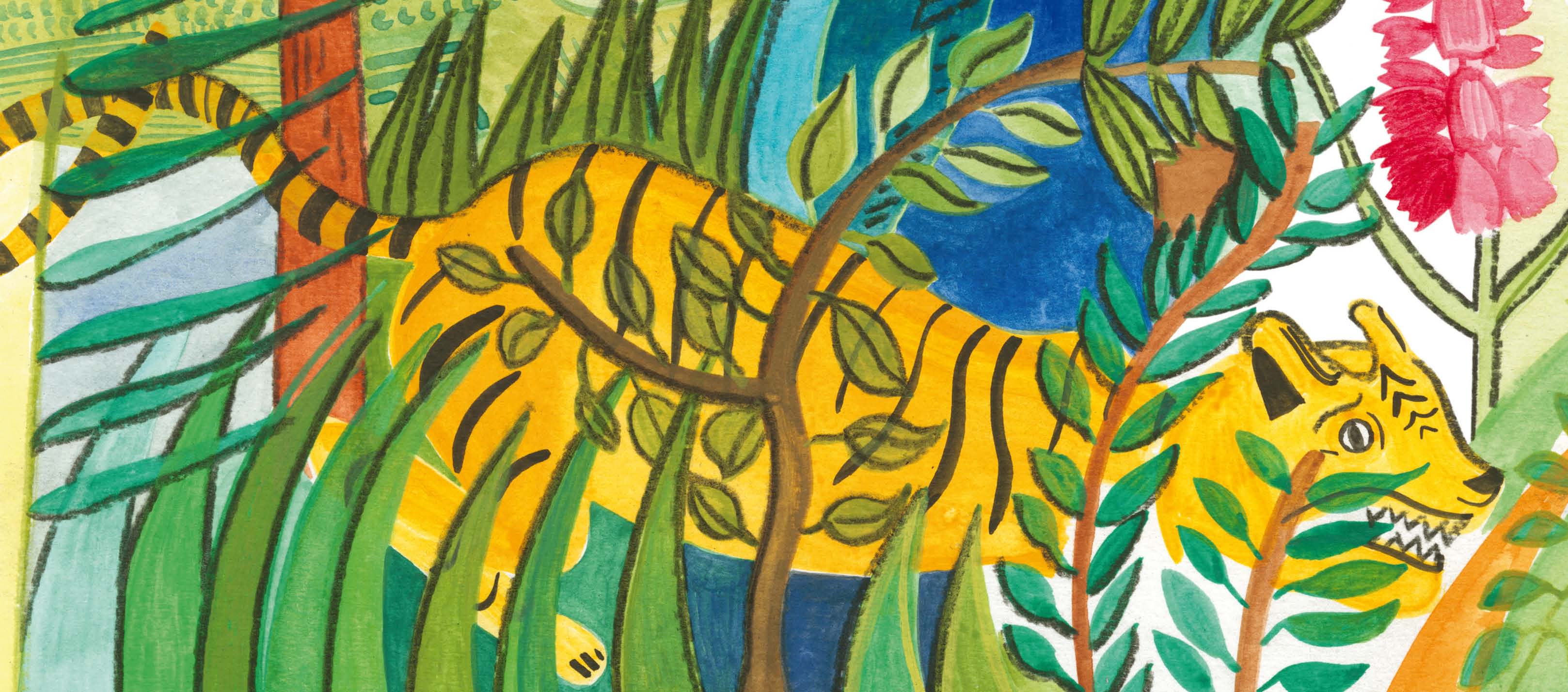
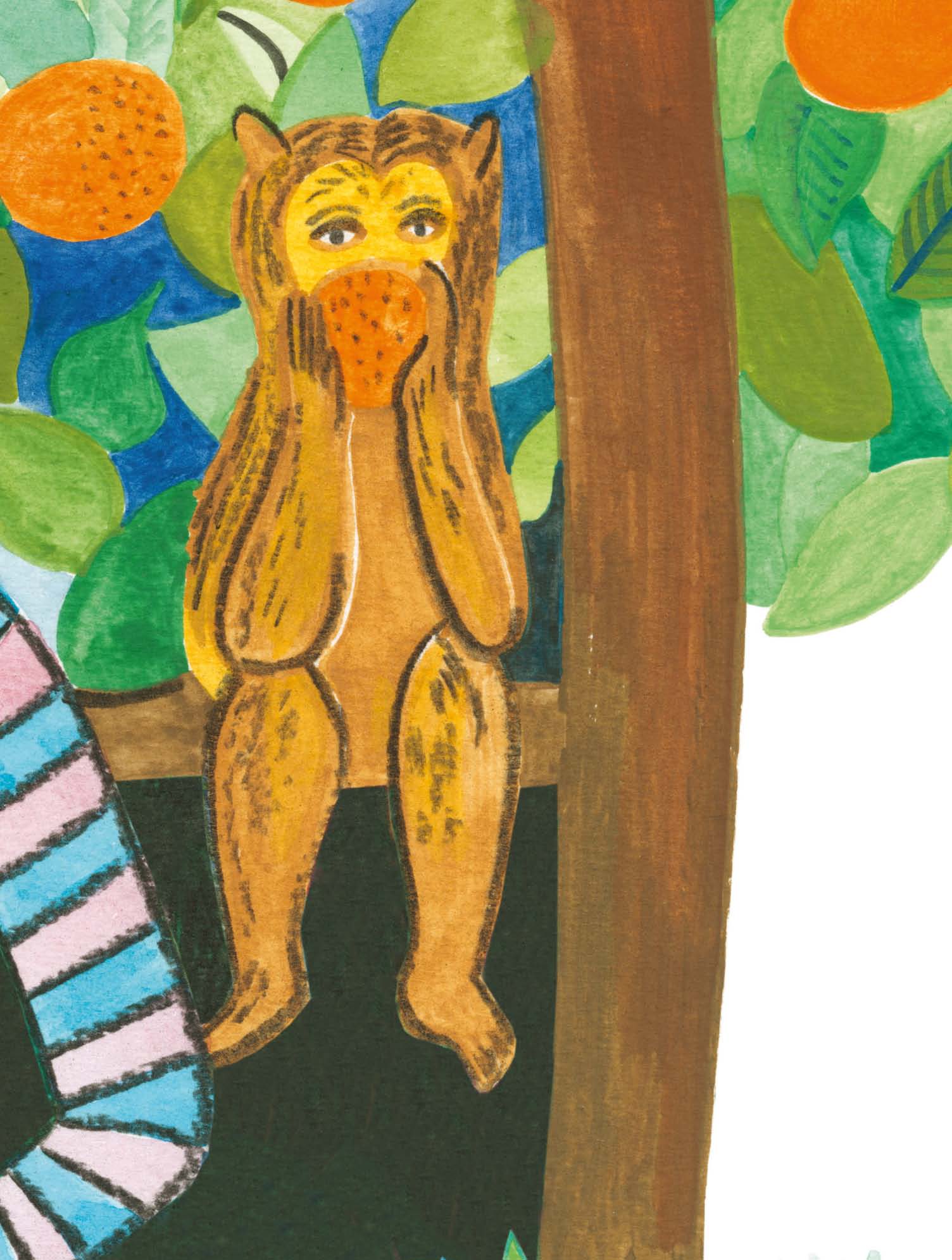
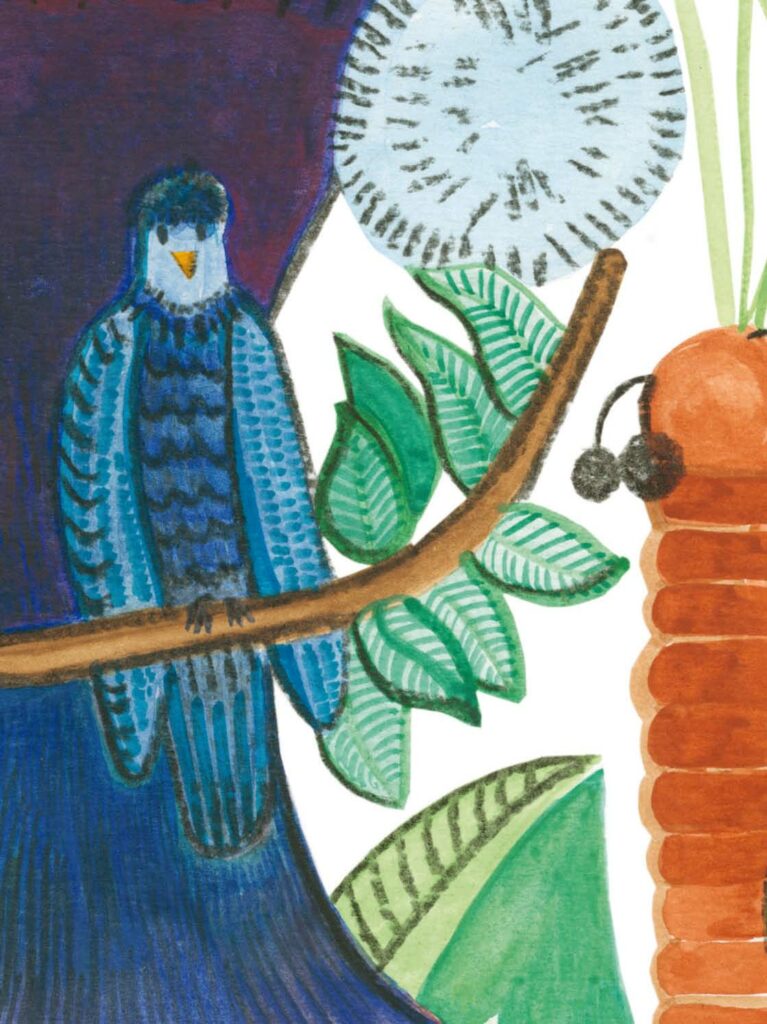
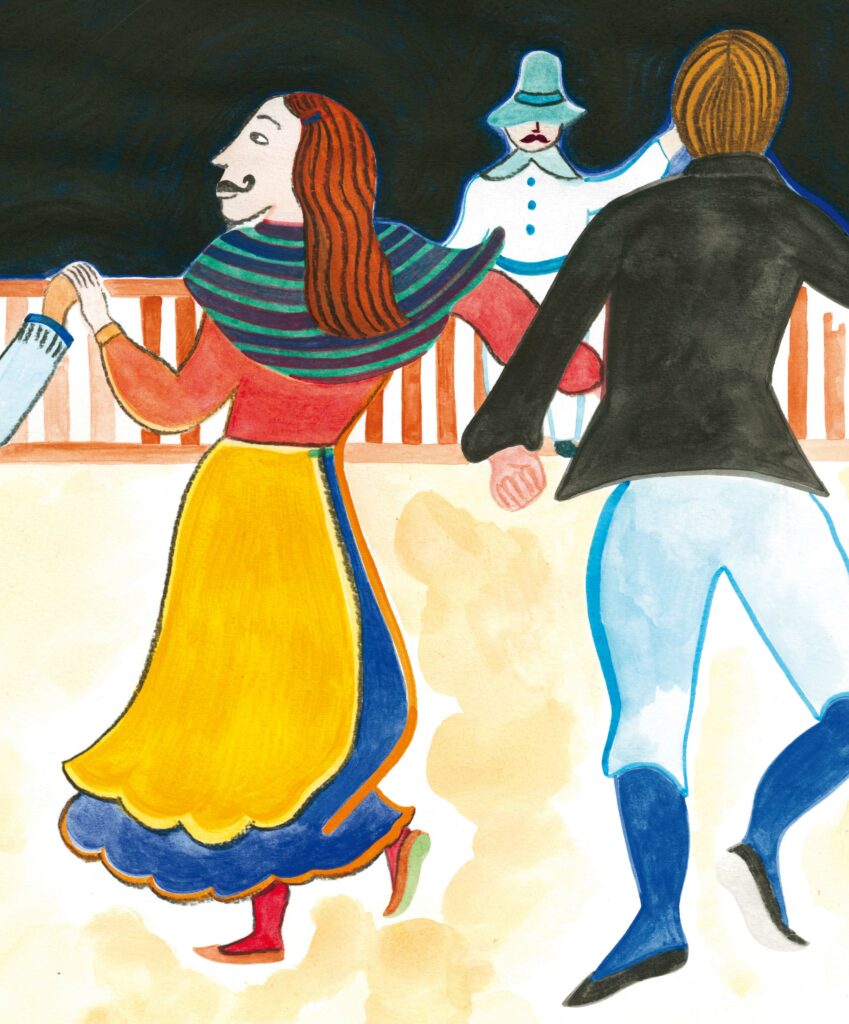
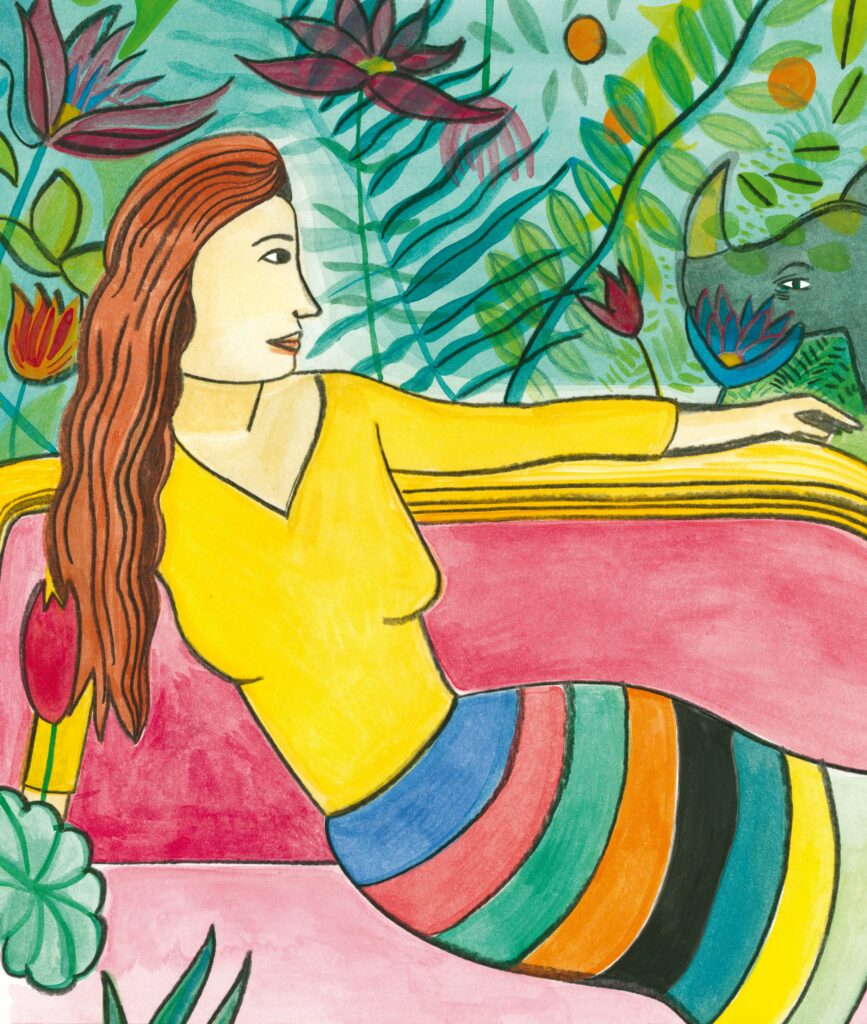
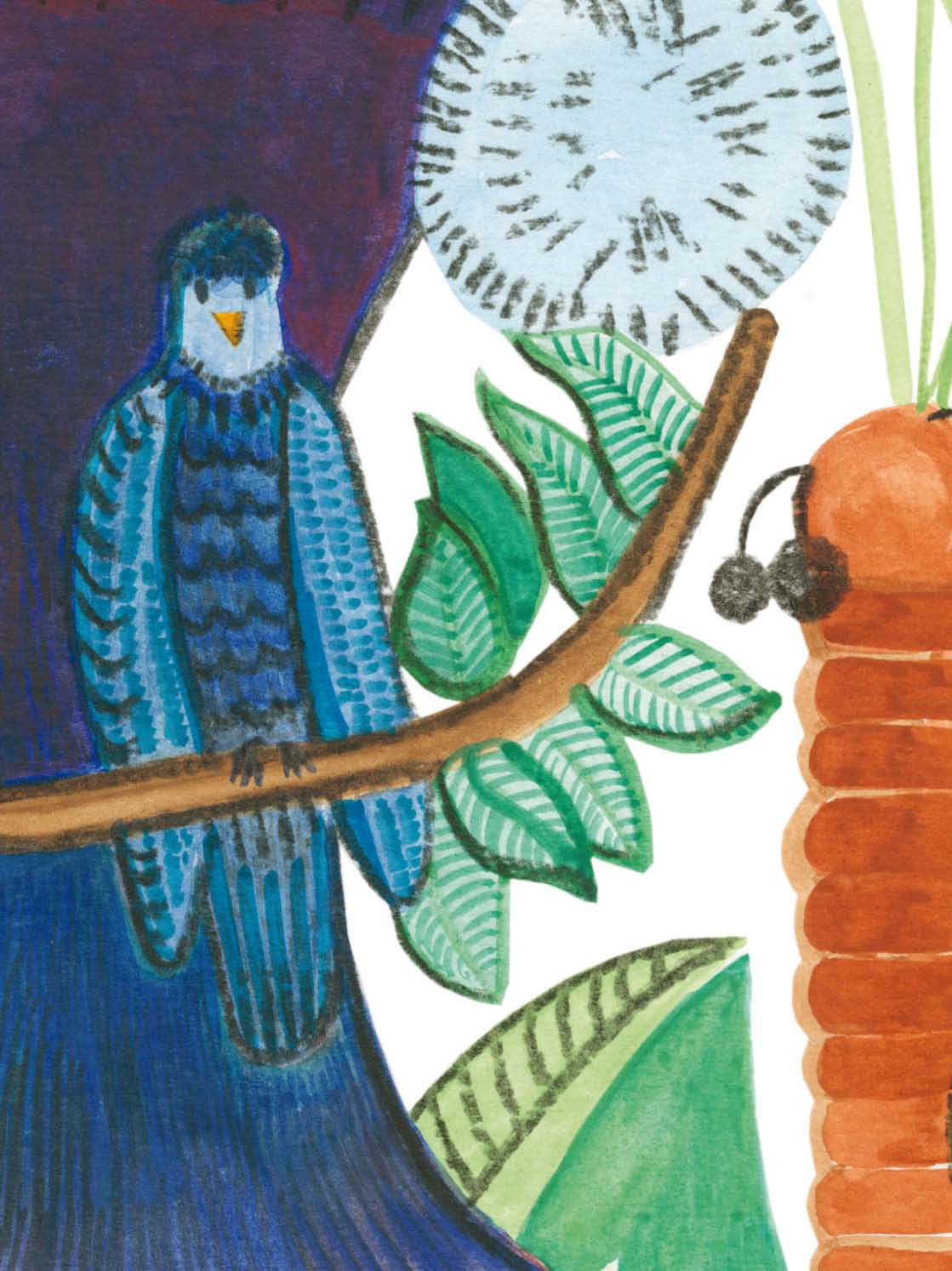
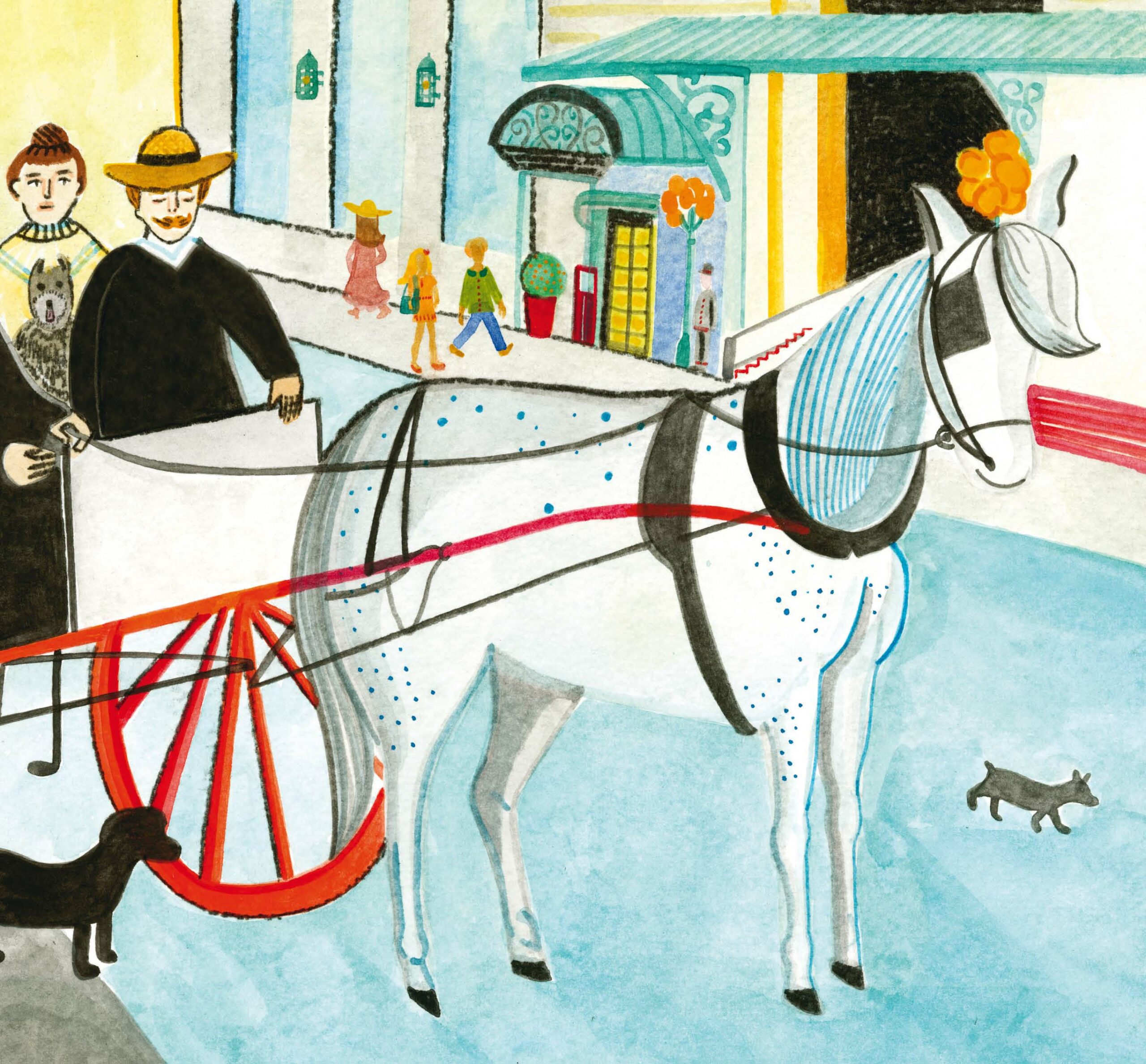
The drawings presented below are inspired by the works of Henri Rousseau. They are interspersed throughout the collection as winks to the connoisseurs or those aspiring to be so. The idea is to pay tribute to the artist whilst stimulating the desire to find out about his paintings.
Henri Rousseau and New-York.
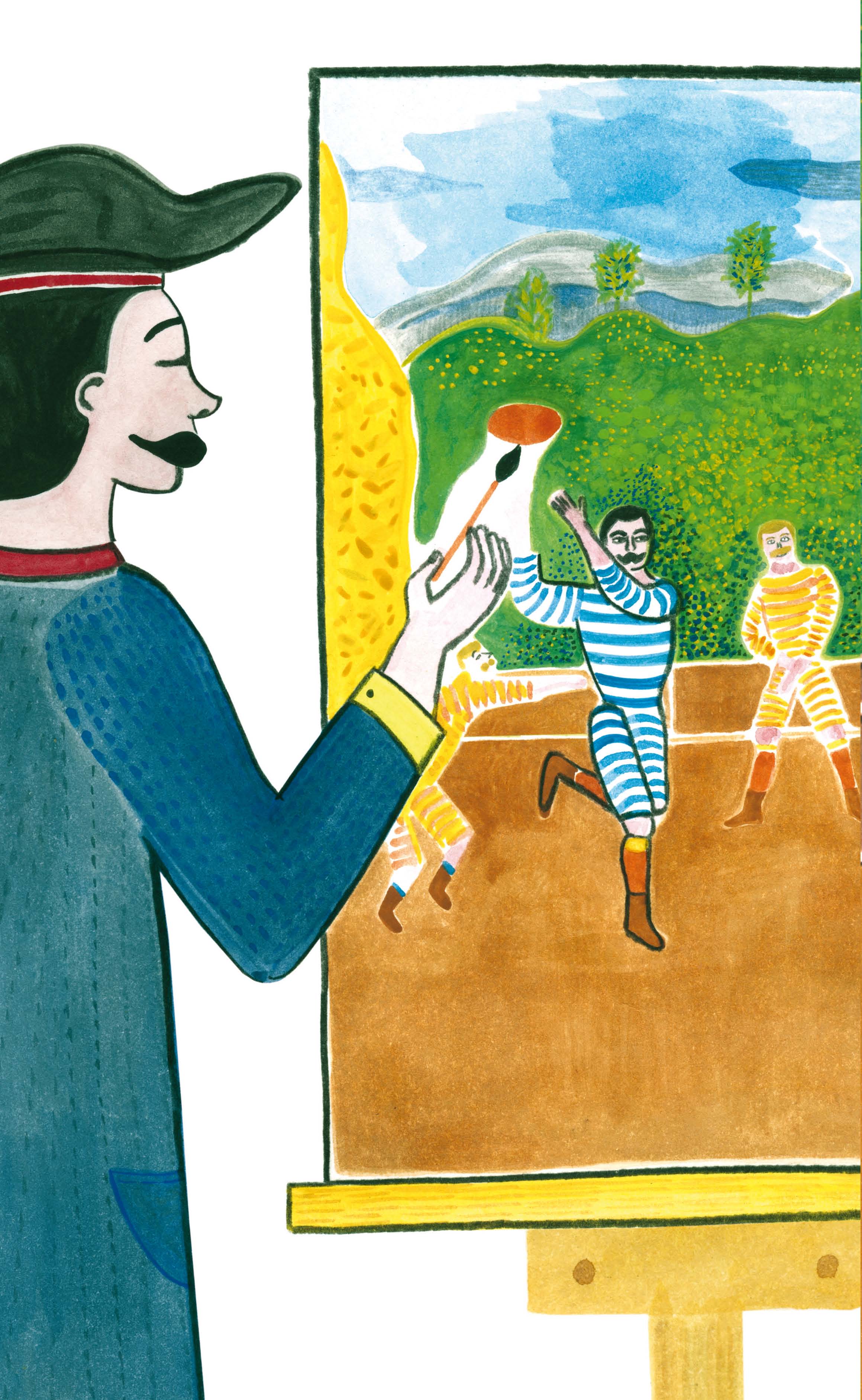
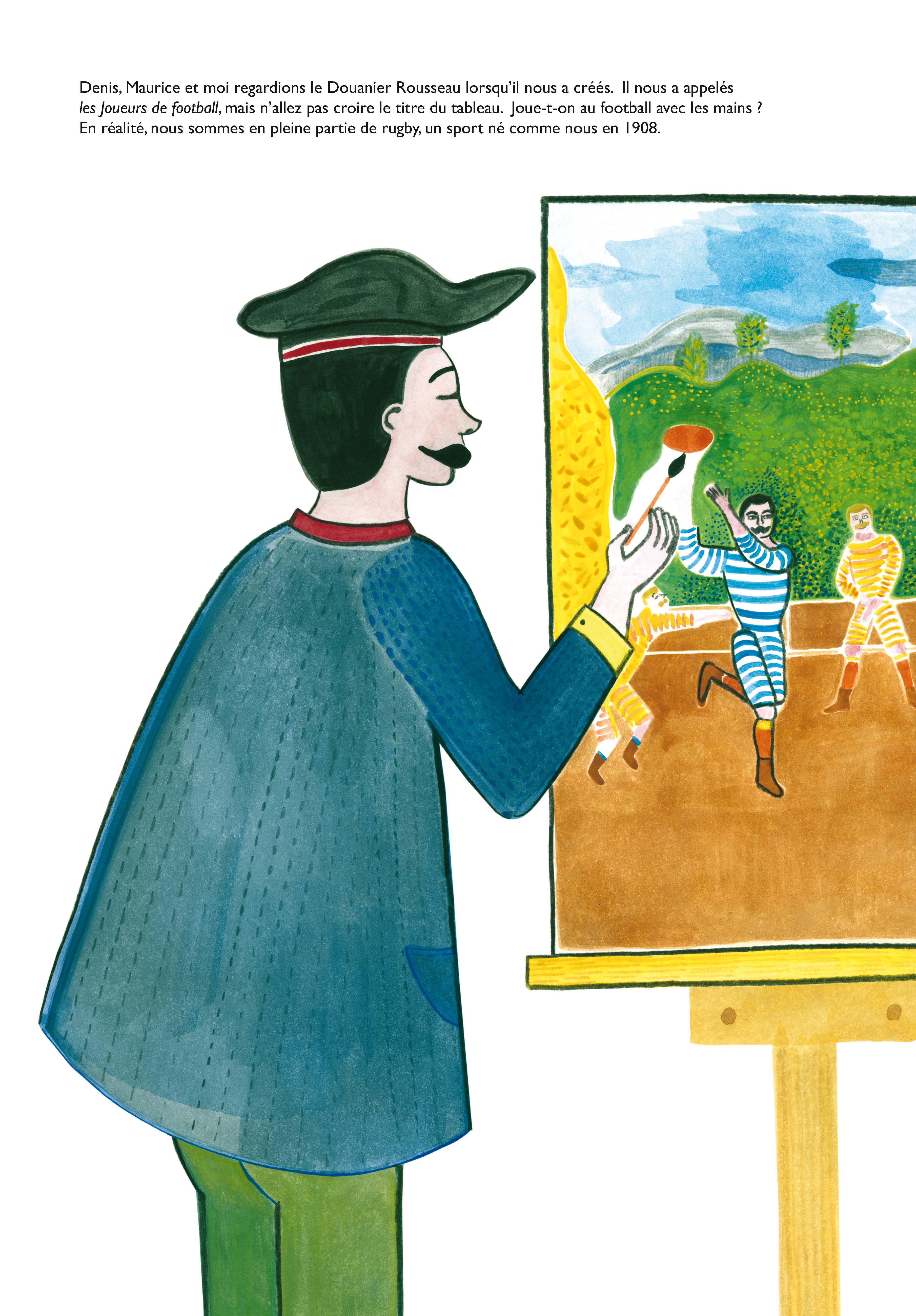
The painter and the city meet in a painting, “Les Joueurs de football” (The Football Players), painted in 1908, forms part of the collection of the Salomon R. Guggenheim Museum in New-York.
And what if one of the characters was to escape from the painting to go for a stroll through the city? Such was the initial idea. Two worlds meet and the fun is finding out where the roads cross or instead, where anachronisms are created. However, Henri Rousseau who was passionate about ‘modernity’, which in his day was expressed by the brand new Eiffel Tower and the first aircraft, would perhaps not disapprove of this incursion into the city with its high towers, another kind of jungle …
Henri Rousseau was born on May 21st 1844 in Laval. His nickname of “Douanier” (Customs Officer) was given to him by his friend Alfred Jarry, while Henri was working on the customs & excise tolls of the Paris octroi. In his spare time he painted. Self-taught, he nevertheless picked up advice from academic painters, Clément and Gérôme.
At the age of fifty, he retired and devoted all his time to his work as a painter.
A stationary traveller, he was inspired by his readings of ‘Tour du monde’ (Around the World) and his visits to Paris’s botanical garden “Jardin des Plantes”. The greenhouses containing tropical species were to become a place of intense observation for him. In his paintings, he inspired the same feeling of suffocation, heat and more surprisingly the silence that prevailed there. No rare bird ever came to awake Le Douanier Rousseau from his dreams, not one single piercing cry.
His seemingly clumsy technique and naïve style, have long been criticised during his lifetime. Although appearing each year with a new canvas at the art exhibition for independent artists “Salon des Indépendants”, it was only at the end of his career that he received the recognition of his peers. Picasso celebrated him, organising a banquet in his honour and buying his paintings. But also Delaunay, Fernand Léger and Guillaume Apollinaire counted him in amongst their circle of artist friends. Rousseau embarked upon a very personal route with his painting.
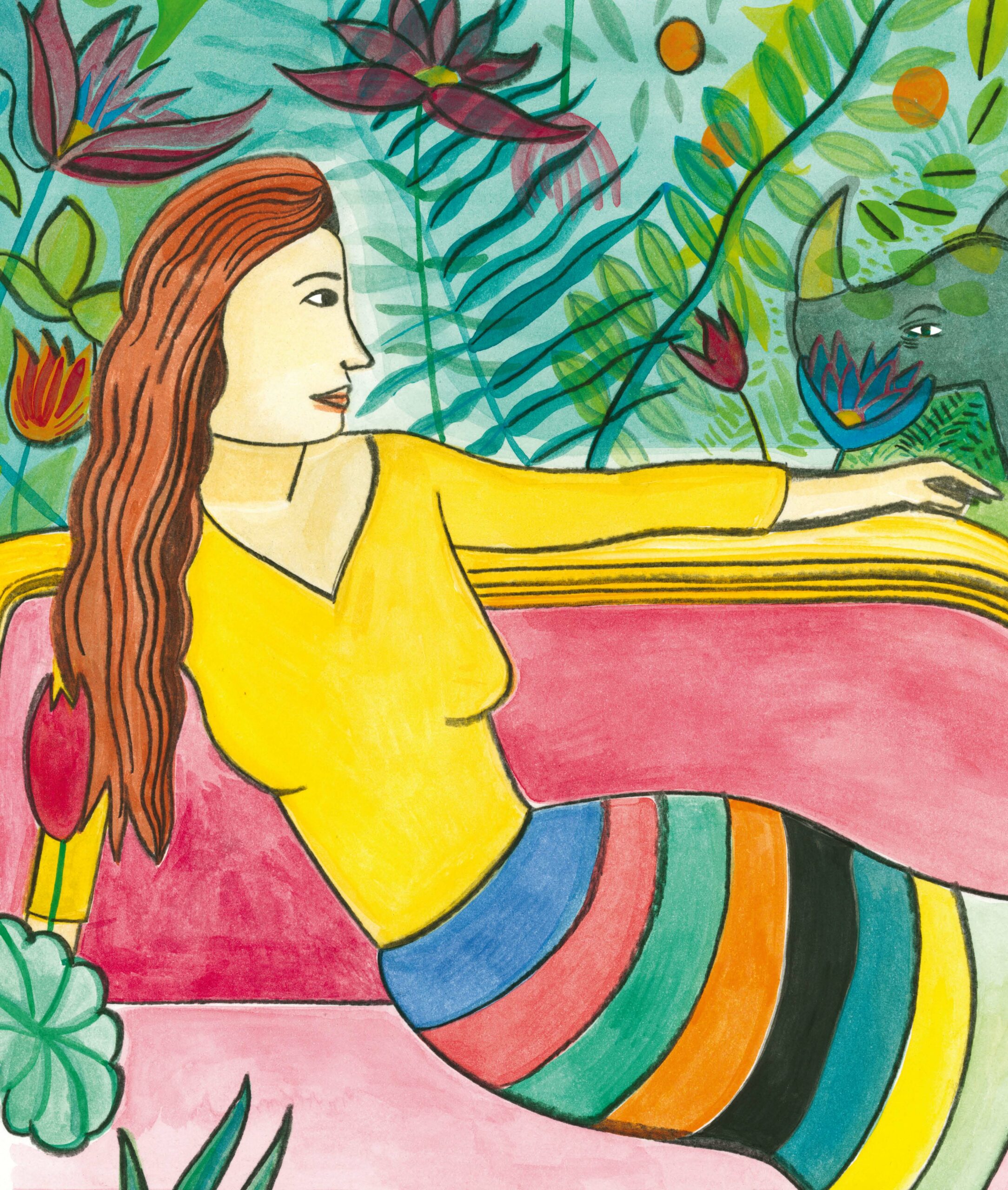
It led, among other things, towards surrealism. The disturbing strangeness dear to Breton, Tzara or Magritte, is palpable in Rousseau’s compositions, particularly in the jungle landscapes. “Le Rêve” (The Dream), a picture also on show at the Museum of Modern Art in New-York, perfectly represents this strange atmosphere of a conventional subject, the nude model placed on a couch, arranged in the unusual context of a jungle camouflaging its wild animals.
“Le Rêve” (The Dream), 1910
This painting was completed in the year of his death.
Henri Rousseau added a caption :
« Yadwigha dans un beau rêve / s’étant endormie doucement / entendant les sons d’une musette / D’un charmeur bien pensant / Pendant que le lune reflète / Sur les fleurs, les arbres verdoyants / Les fauves serpents prêtant l’oreille / Aux airs gais de l’instrument »
(Translation: “Yadwigha in a beautiful dream / Having fallen gently to sleep / Heard the sounds of a reed instrument / Played by a well-intentioned (snake) charmer / As the moon reflected / On the flowers, the verdant trees / The wild snakes lend an ear / To the joyous tunes of the instrument”)
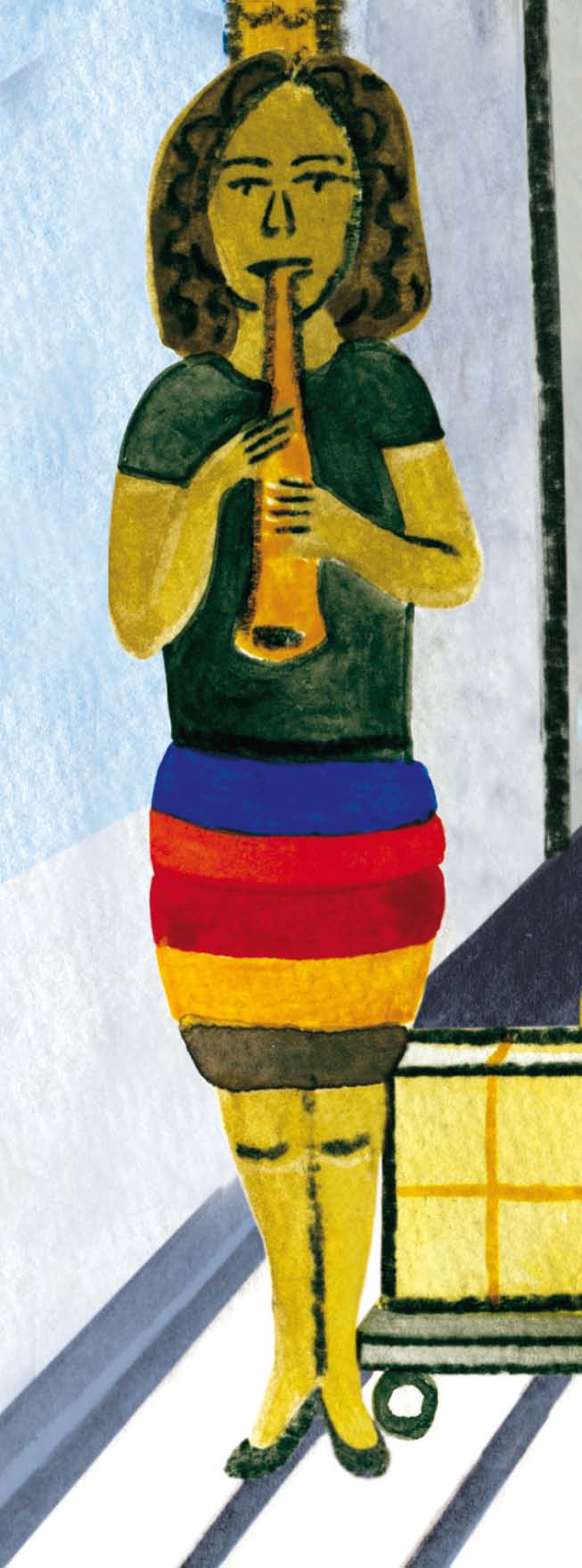
The work “La charmeuse de serpent” (The Snake Charmer) (1907) was inspired by the story of the trips to India made by Robert Delaunay’s mother who had commissioned him to do the painting. The artist only ever travelled in his dreams, which explains the discrepancies between the reality of the countries and the places evoked, and what he shows of them. He was aware of this and asserted painting as a discipline in opposition to photography. The jungles that he painted from 1905 to 1910, twenty-five versions in all, do not exist anywhere and yet did not displease the dreamers who believed the verses of Apollinaire, engraved on the painter’s tombstone.
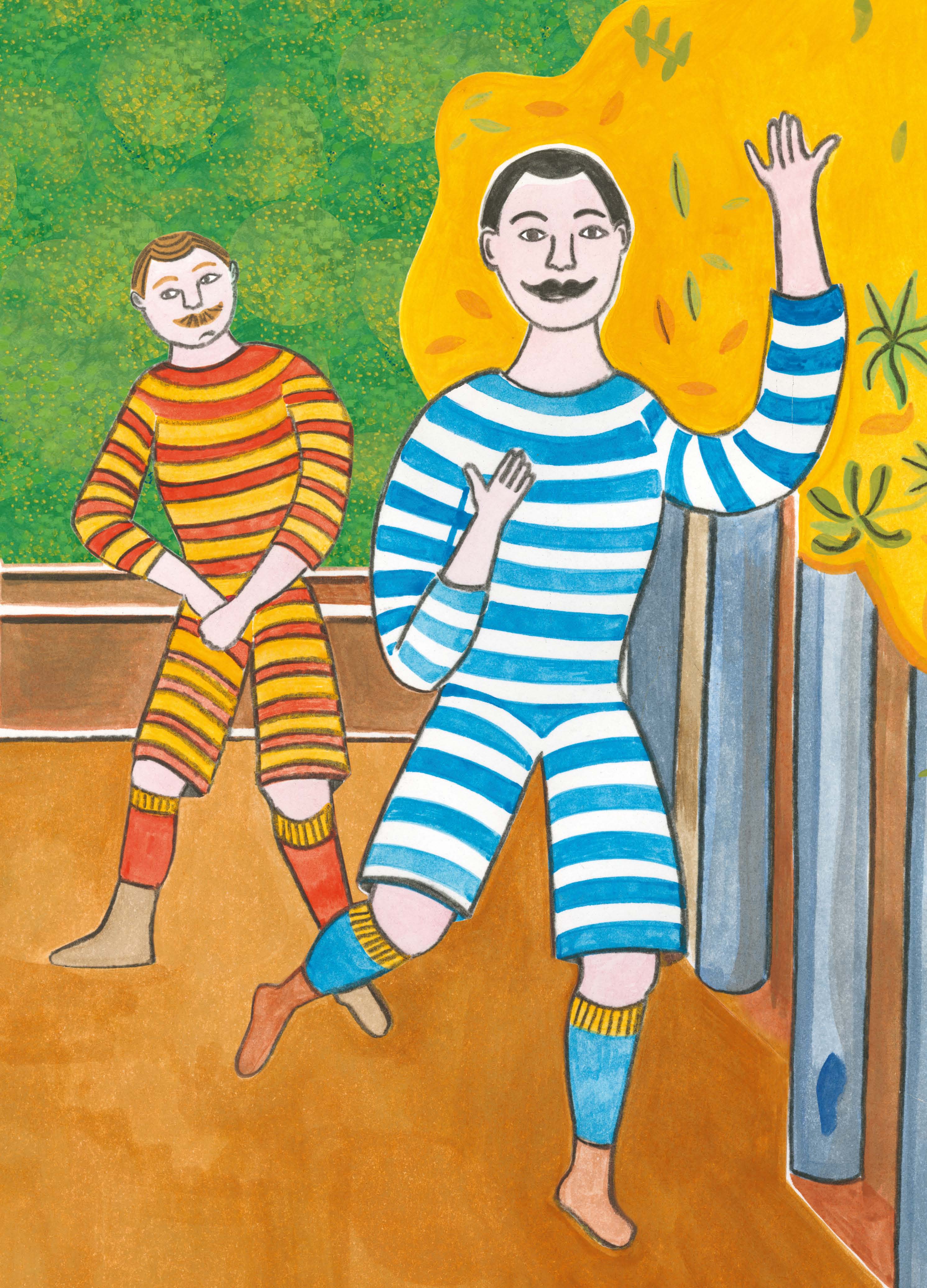
“Les Joueurs de Football” (The Football Players) held my attention, both for their comical and theatrical characters. Constrained like puppets or marionettes, with moustaches, dancing in a picturesque setting, as in a mechanical choreography, these four characters do not play football as the title suggests, but rugby. This sport has newly arrived in France in 1908, the year of the painting. As with the Eiffel Tower, Rousseau, who was the first to depict it in a painting (the parallel could be made in poetry with Cendrars), seized this new theme.
Henri Rousseau did not seek realism. The forest around the edge of the field seems to be reduced in size next to that of the players. They appear to be twins and are so similar that the hypothesis of the decomposition of movements by the same character is not incongruous. The photographic works by Marey come to mind here.
From a technical perspective, the painting is a series of drawing overlays. The artist achieves a collage effect. No depth of field or perspective effect are sought. The space is assumed as imaginary. Everything is flat like a theatre set. The atmosphere is bordering on the supernatural. Rousseau knew perfectly how to convey in paintings, his own world that was so unique and enigmatic. Despite the critics, he persevered in a style that was far removed from academicism or realistic virtuosity. The scenes from his dreams transport us into his world.
« Tu te souviens, Rousseau, du paysage astèque,
Des forêts où poussaient la mangue et
l’ananas,
Des singes répandant tout le sang des
pastèques
Et du blond empereur qu’on fusilla là-bas.
Les tableaux que tu peins, tu les vis au
Mexique :
Un soleil rouge ornait le front des bananiers
et valeureux soldat, tu troquas ta tunique
Contre le dolman bleu des braves douaniers.»